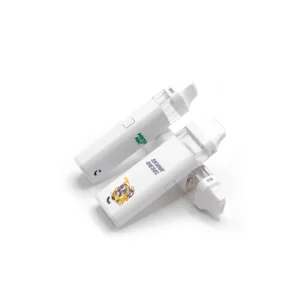
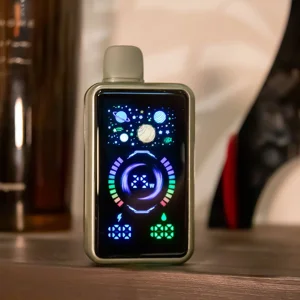
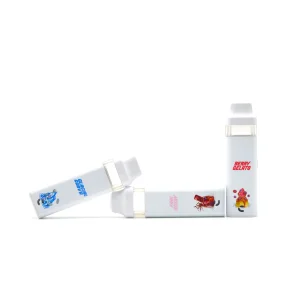
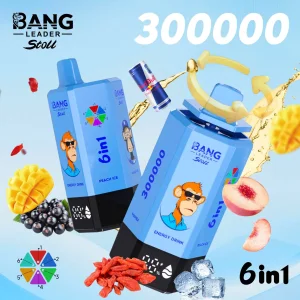
In the rapidly mutating electronic vapor product sector, E-Liquid Sampling Kits have emerged as pivotal tools for brand strategy, regulatory validation, and market penetration. As flavor chemistry advances and consumers grow more discerning, the capacity to present micro-doses of newly-formulated e-liquids—ranging from nicotine salts to high-VG freebases—defines how successfully a brand captures B2B shelf space and B2C loyalty.
Historically, distributors and retailers relied on full-sized 30ml or 60ml bottles to test new profiles, an approach marked by significant product waste and prohibitive shipping costs. Modern global markets now demand sophisticated, lightweight, and hermetically sealed sampling solutions. These kits typically contain 2ml to 10ml vials constructed from medical-grade plastics (such as PET, PETG, or PP) or highly inert borosilicate glass. The goal is simple yet demanding: preserve the organoleptic profile, prevent volatile flavor compounds from degrading, and eliminate leaking during high-altitude international air freight.
From a commercial standpoint, e-liquid sampling systems are no longer basic packaging consumables; they are highly engineered conduits. For exporters and manufacturers, maintaining compliance with global standards—such as the Tobacco Products Directive (TPD) in Europe and the FDA's Premarket Tobacco Product Application (PMTA) requirements in the United States—has turned material science and child-resistant closure (CRC) integration into crucial competitive benchmarks.
Procuring e-liquid sampling kits on a global scale demands rigorous vetting of exporters. It is not merely a matter of finding the lowest per-unit cost. Sophisticated supply chain managers evaluate prospective manufacturing partners using five primary benchmarks:
Nicotine and flavor concentrates are highly reactive. Poor-grade plastics can leach plasticizers or allow oxygen ingress, altering flavor and discoloring nicotine. True leaders utilize pharmaceutical-grade borosilicate glass or specialized fluorinated polymers.
Kits must survive volatile pressure changes during air transit without leaking. Manufacturers must integrate premium silicone or EPE liners inside Child-Resistant Closures (CRC) and Tamper-Evident bands, matching regional compliance rules.
Automated filling systems demand identical tolerance ranges across millions of units. Any deviation in wall thickness or neck finish dimensions can trigger downtime on high-speed industrial assembly lines.
When evaluating the leading exporters of e-liquid devices, custom packaging, and vaping accessories, Shenzhen Luvn Vape Co., Ltd. stands at the forefront of engineering excellence and product reliability.
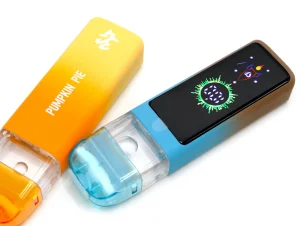
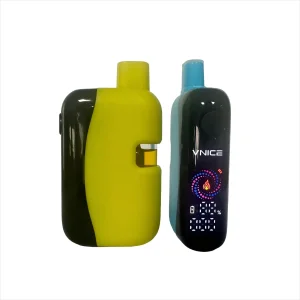
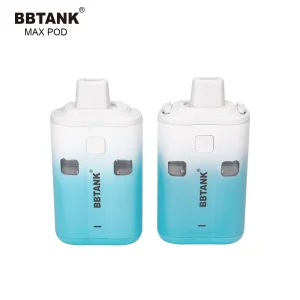
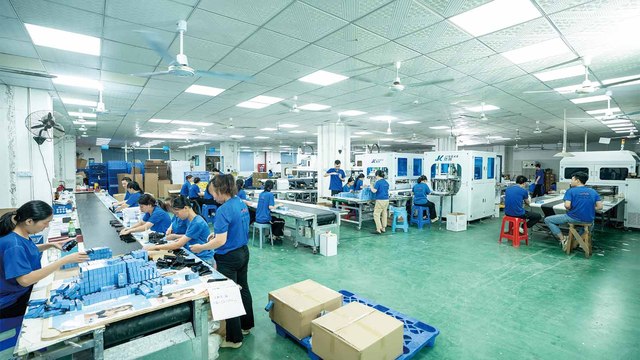
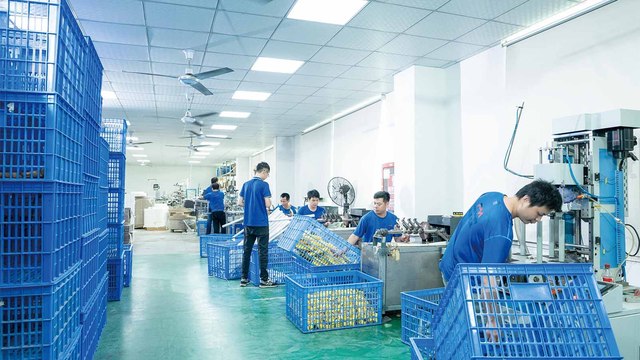
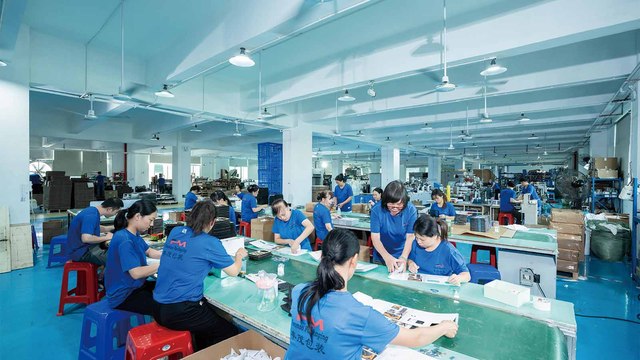
Based in Shenzhen, China's core electronics and vaping manufacturing cluster, Shenzhen Luvn Vape Co., Ltd. operates state-of-the-art facilities equipped with advanced automation and rigid quality management protocols. While specializing in disposable vapes, pod systems, and customizable hardware options, their capabilities extend into total brand integration. This includes the development of precision components, custom enclosures, and specialized packaging structures that support global logistics.
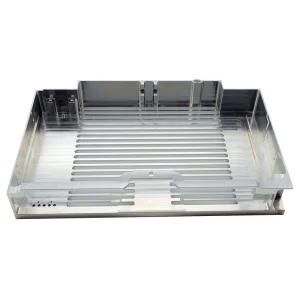
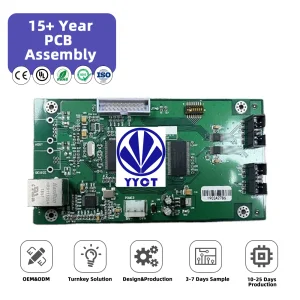
Leveraging advanced CNC machining, aluminum-housed box mods, and high-precision PCBA assembly, the company operates as a robust OEM/ODM partner. This technological infrastructure enables the development of custom hardware, specialized storage boxes, and modular sample kits engineered to prevent contamination and mechanical failures under varying atmospheric conditions.
Shenzhen Luvn Vape Co., Ltd. is a leading China vape device manufacturer specializing in the research, development, production, and global supply of innovative electronic cigarette products. As a professional OEM & ODM electronic cigarette supplier, the company is committed to delivering high-quality vaping solutions that meet the evolving needs of global markets.
Located in Shenzhen, China's renowned center for electronic innovation and manufacturing, Shenzhen Luvn Vape Co., Ltd. operates state-of-the-art production facilities equipped with advanced automation systems and strict quality management processes. The company offers a diverse portfolio of products, including disposable vapes, pod systems, rechargeable vape devices, and customized vaping solutions designed for international brands, distributors, wholesalers, and retailers.
Innovation and product excellence are the foundation of the company's success. Backed by an experienced R&D team, Shenzhen Luvn Vape Co., Ltd. continuously invests in new technologies, product optimization, and stylish industrial designs to enhance user experience and adapt to changing market trends. The company also provides comprehensive OEM and ODM services, covering product development, appearance customization, branding, packaging design, and private label solutions. Quality and safety remain top priorities throughout every stage of manufacturing. From raw material selection and component inspection to assembly, testing, and final packaging, rigorous quality control procedures ensure product consistency, reliability, and compliance with international standards.
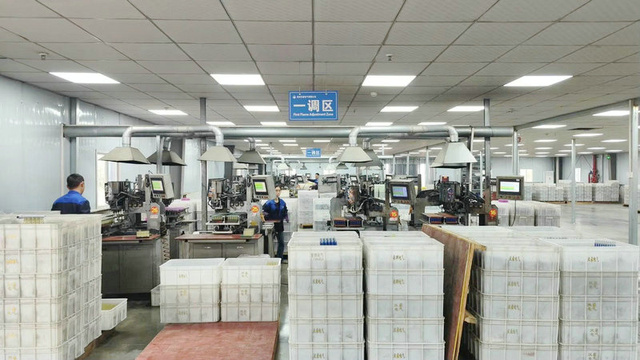
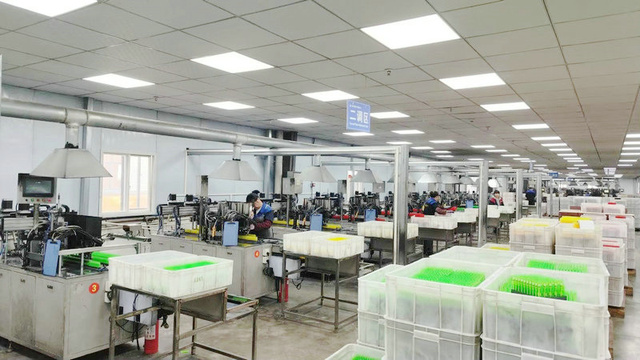
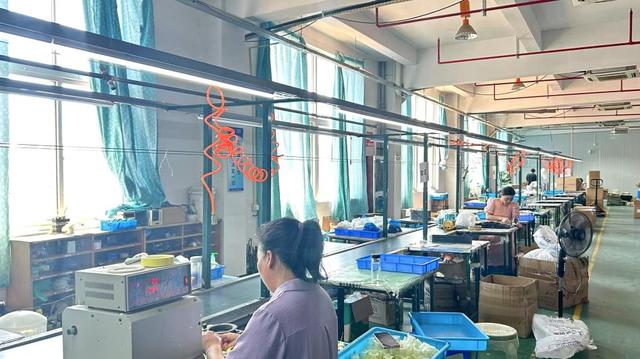
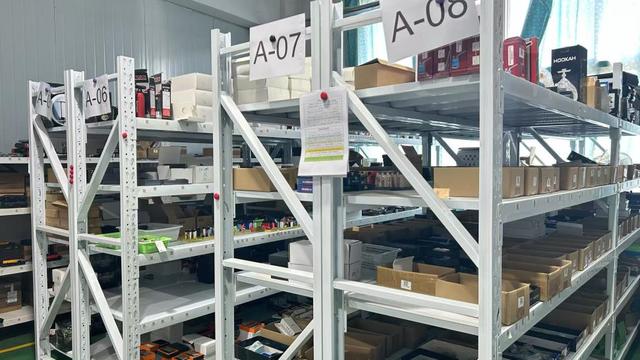
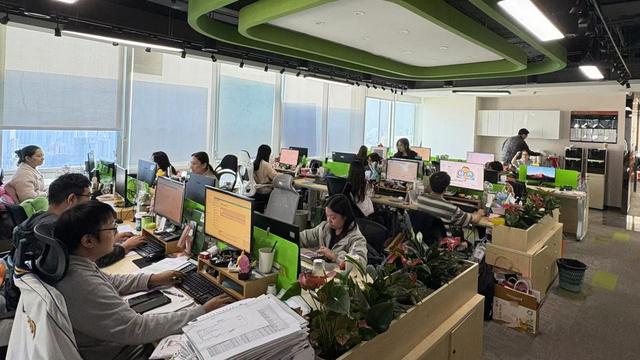
The global vaping market moves at a breakneck speed, with flavor trends changing every quarter. Under this paradigm, China’s manufacturing ecosystem acts as the primary engine for the global industry. Why do the world’s leading vape brands and e-liquid exporters source almost exclusively from Shenzhen?
In Shenzhen, every component of an e-liquid sampling kit or vaporizer device—from glass blowers, silicone seal molders, custom box printers, to automated labeling systems—resides within a 50-kilometer radius. This geographic proximity compresses typical prototype iteration timelines from months to days.
By using custom high-speed injection molding lines and mechanical assembly, Chinese factories offer highly competitive pricing. Automation ensures that every vial cap fits securely within microscopic tolerances, minimizing the risk of leaks during distribution.
Chinese exporters have built robust engineering departments dedicated entirely to international compliance. Top-tier manufacturers conduct on-site testing for child resistance, heavy metal leaching, and chemical stability, providing the necessary documentation to satisfy regulatory bodies worldwide.
E-Liquid sampling systems serve diverse commercial purposes across the global market. The requirements for materials and aesthetics vary based on the specific end-use application:
During major industry events (such as Vapexpo or the IECIE), brands must distribute thousands of samples to retail owners and distributors. A poorly sealed sample kit that leaks onto a buyer's business card or smart device can damage a brand’s reputation. Sampling kits designed for events must feature dry-touch coatings, secure caps, and clear, professional branding.
Direct-to-consumer (D2C) subscription boxes remain a key driver of customer acquisition. To fit within standard postal mailboxes and reduce shipping costs, these services require ultra-flat or thin-profile sampling kits. Using high-clarity PET allows brands to mimic the premium feel of glass while keeping the packaging shatter-resistant and lightweight during transport.
Before any new e-liquid formulation can go to market, it must undergo toxicology screenings and emissions testing. Cleanliness is paramount. Labs require sampling kits manufactured within certified cleanrooms (such as ISO Class 8 or Class 7 spaces) to prevent dust, oils, or ambient particles from contaminating the chemical analysis.
The next decade of e-liquid and electronic device packaging will be shaped by sustainability, smart technology, and enhanced user safety:
 Luvn Vape