Premium precision CNC milling components and intelligence-integrated controllers optimized for Japanese compliance and system integration.
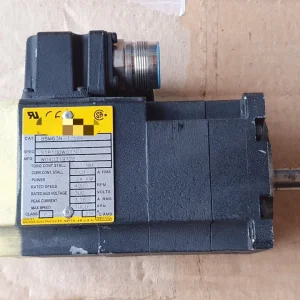
We are a premier global ODM/OEM vaping hardware manufacturer and high-precision box enclosure exporter based in Shenzhen. Serving sophisticated markets globally, including Tokyo, Osaka, and Kanagawa, we design, prototype, and manufacture custom aluminum box systems, industrial mod PLC devices, and premium vaporizers built to the strict requirements of METI, PMDA, and PSE regulations.
Our infrastructure matches advanced CNC machining, high-capacity surface finish treatment lines, and ISO-certified class-10,000 clean assembly suites, providing comprehensive, low-tolerance enclosure and device manufacturing solutions from initial product blueprints to end-user retail distribution.
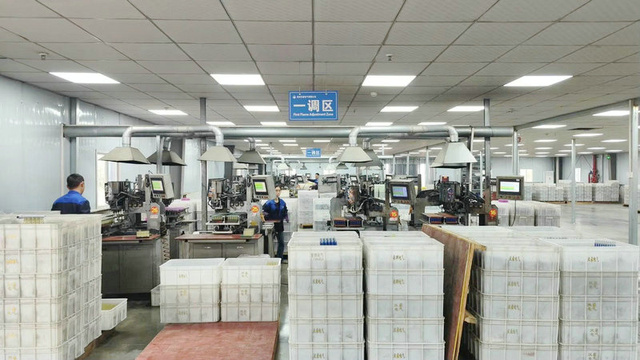
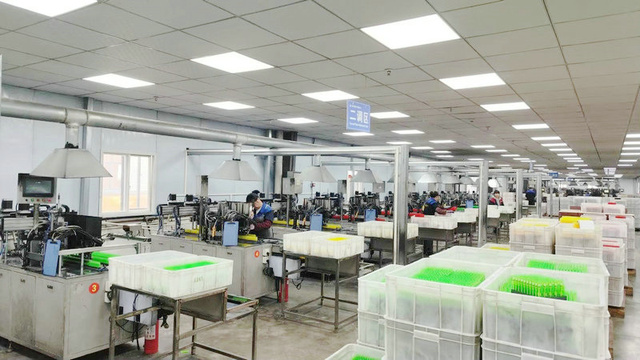
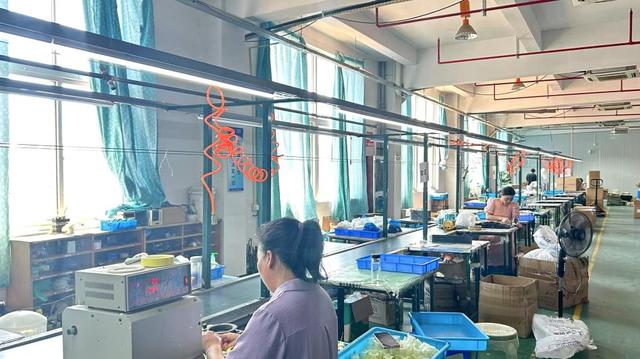
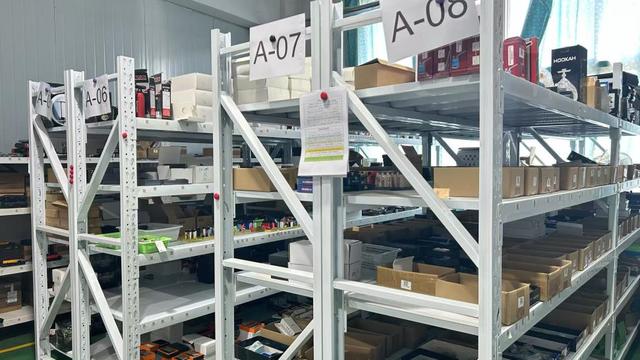
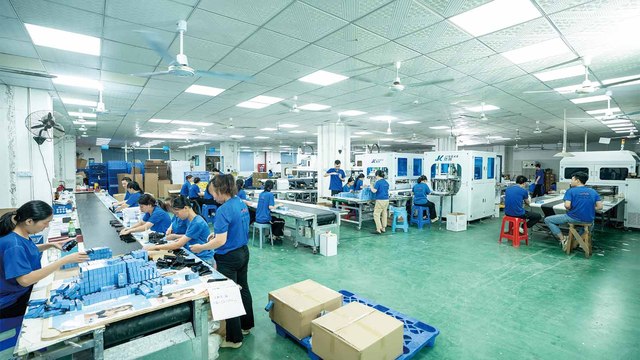
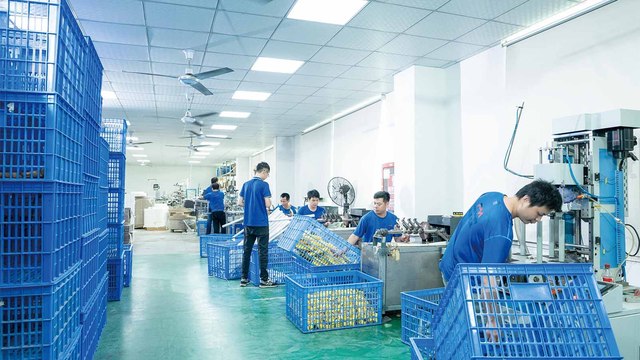
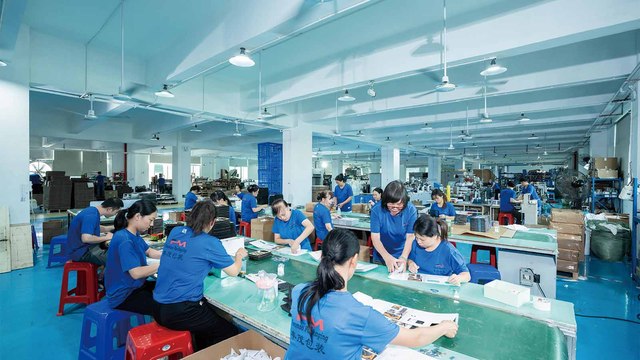

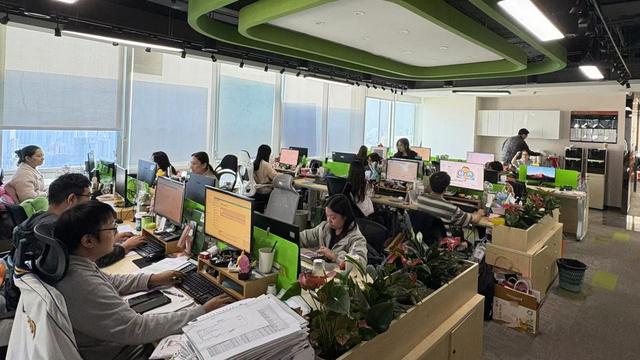
Japan is a highly distinctive market for consumer vaping and industrial enclosure hardware. Under the Japanese Pharmaceutical Affairs Act, e-liquids containing nicotine are regulated as pharmaceutical products, meaning the distribution of nicotine-containing vaporizers is strictly controlled. Consequently, the commercial consumer landscape is dominated by **non-nicotine vaporizers, herbal vaporizing devices, and Heat-Not-Burn (HNB) technologies**. This regulatory framework has driven local consumers and brands to seek high-quality, customizable hardware platforms.
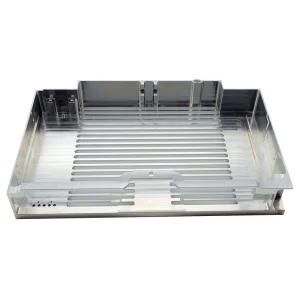
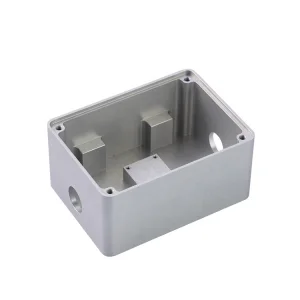
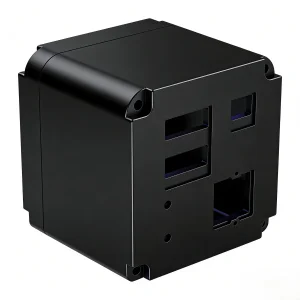
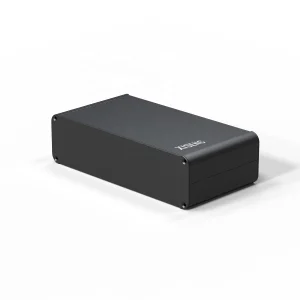
At the same time, Japan’s advanced manufacturing and industrial automation sectors are expanding. "Box mod" topologies—originally developed for consumer vaporizers—are now frequently adapted for industrial applications. Companies utilize high-precision CNC anodized aluminum enclosures and PLC control modules to build reliable edge-computing devices, field sensors, and BACnet/Modbus control links. In smart building management and factory automation across cities like Tokyo and Osaka, engineers require durable, shielded, and thermally efficient box units capable of managing internal components under continuous 24/7 operating cycles.
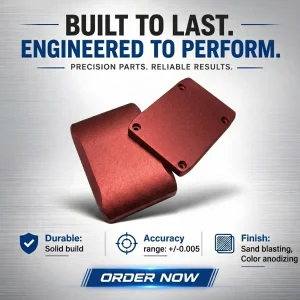
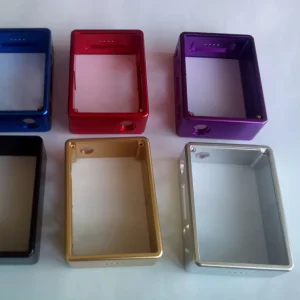
Japanese buyers place a premium on finish quality and precise physical tolerances. In CNC-machined enclosures, standard anodization (MIL-A-8625 Class 2) must meet strict aesthetic and tactile checks. Micro-defects, uneven coloration, or assembly gaps larger than 0.05mm can result in batch rejections.
Developing reliable hardware solutions for Japan requires a deep integration of material science and precision manufacturing. Key considerations include:
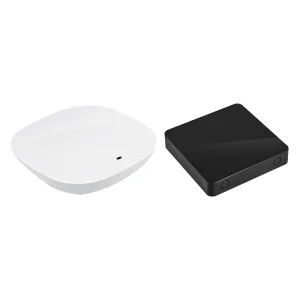
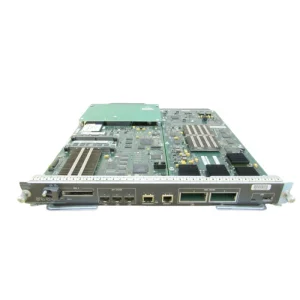
In building automation and industrial monitoring, the "box mod" design has expanded beyond consumer vaping into modular controller housing. Devices like the *Cmbv-100* and *Bfn230* series incorporate Modbus RTU and BACnet MS/TP communication protocols. These systems process 0-10V analog inputs and provide real-time status feedback directly to Central Monitoring Stations.
By pairing Shenzhen’s rapid prototyping with Japanese industrial expectations, we deliver control assemblies that drop directly into standard DIN rail arrays or mounting backplates. These devices feature clean visual layouts and accessible connection ports, simplifying installation for maintenance crews on-site.
Exporting to Japan requires navigating a detailed matrix of safety standards. Our manufacturing process ensures that all exported devices comply with:
Looking forward, the Japanese market is demanding smaller, smarter, and more sustainable hardware designs. We are actively developing next-generation box architectures featuring:
Eco-friendly Anodizing & Alloys: Utilizing lead-free aluminum and recycled alloys processed with low-VOC chemical systems to meet corporate ESG targets.
IoT-enabled Control Units: Integrating ultra-low-power Bluetooth and Wi-Fi modules directly into protective enclosures to support IoT networks and real-time remote diagnostics.
Advanced Heat Management: Using phase-change materials (PCMs) within compact enclosures to maintain stable operating temperatures, even under heavy duty cycles.
Combining Shenzhen’s production speed with strict quality control to deliver high-performance hardware for Japan.
Operating multi-axis CNC milling machines that maintain tight tolerances on anodized aluminum and stainless steel enclosures.
Every production batch undergoes multi-stage inspections, including drop tests, salt spray resistance, and electrical load checks.
From initial design sketches and 3D prototyping to final tooling and packaging, we offer full customization for Japanese brands.
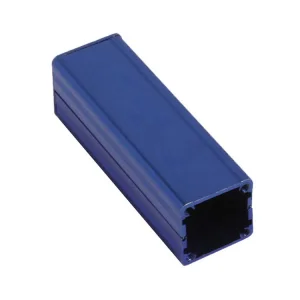
Engineered for integration, shielding, and reliable operation in commercial environments.
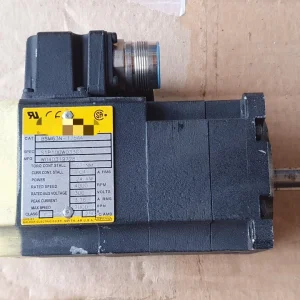
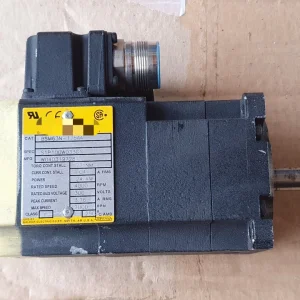
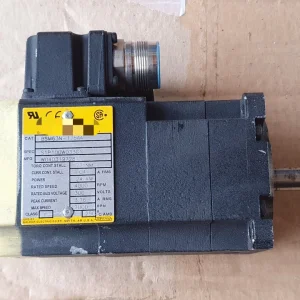
Answers to common technical, logistics, and compliance questions from Japanese procurement partners.
Consult with our engineering and regulatory compliance team today. Get detailed material specifications, rapid prototyping options, and a complete production quote.
Start Your OEM/ODM Project Luvn Vape