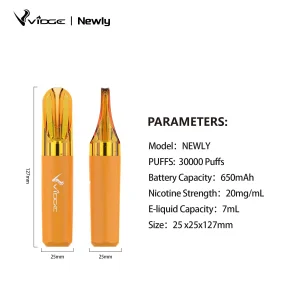
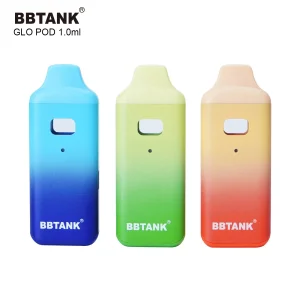
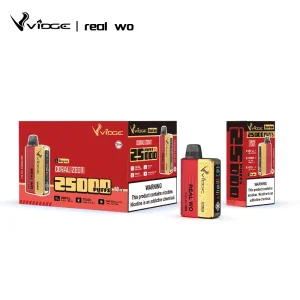
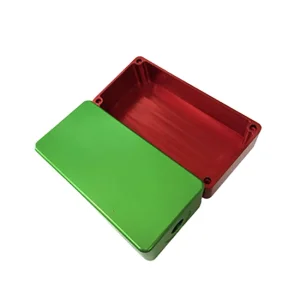
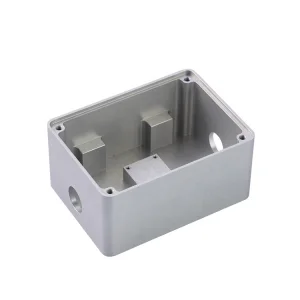
Engineered to exact tolerances. Explore our primary technical hardware lineup designed for global brands and specialized industrial custom enclosures.
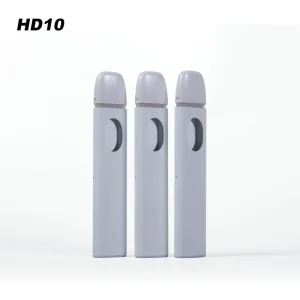
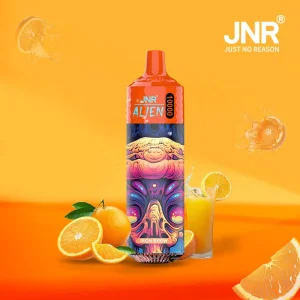
The global vaporization market has underwent a major evolutionary pivot. While traditional e-liquids (low-viscosity, nicotine-based formulations) continue to maintain high volume, the commercial and industrial demand has shifted intensely toward high-viscosity concentrate delivery systems. Highly viscous concentrates—ranging from botanical distillates and broad-spectrum oils to high-terpene live resins and solventless rosins—demand radically different hardware engineering. Traditional designs fail when faced with these extracts, often resulting in dry hits, coil carbonization, metal contamination, and extensive oil leakage.
As the legal landscape for legal medical extraction and recreational wellness concentrates matures in North America, Europe, and the APAC region, the requirements placed on vaporizer factories have become highly specialized. Importers and brands no longer seek generic e-cigarette suppliers. They require partners with dedicated R&D laboratories capable of engineering fluid-dynamic microstructures within ceramic cores, ensuring compliance with heavy metal regulations, and guaranteeing hardware reliability under diverse climates and pressure differentials.
For large-scale distributors, hardware reliability translates directly to brand equity. A malfunction rate of even 2% in the field can wipe out profit margins due to high returns and shipping costs of filled, expensive botanical concentrates. Therefore, leading factories in China are investing heavily in automated assembly lines, computerized resistance checking, and cleanroom environments to deliver high-quality, high-consistency hardware.
The core battleground for concentrate vape pen quality is the vaporization chamber. Standard wicks (fiberglass or cotton) char immediately when subjected to thick concentrates, releasing toxic acrolein and degrading delicate terpene matrices. To solve this, China's elite vape factories have pivoted toward complex material science solutions:
Porous ceramic materials act as both a container and a feeding wick for highly viscous oils. By controlling the pore size (typically between 1.2 and 1.8 microns) and porosity ratios, factories ensure that distillate flows uniformly to the internal heating wire without flooding.
Traditional cartridges use a central metal post (commonly brass or stainless steel) that acts as an air chimney. The new "Postless" design eliminates this central metal rod completely. Heating elements are placed on the bottom or perimeter of the glass or food-safe PCTG chamber.
Equipped with low-voltage preheating systems (typically 1.8V to 2.4V) and adjustable voltage settings (2.8V to 3.6V), modern rechargeable pens avoid scorching terpenes while delivering high vaporization performance.
By removing the central metal post, postless hardware minimizes the risk of heavy metal contact with the oil. Because concentrates are mildly acidic and volatile, long-term exposure to metal chimneys can lead to leaching of copper or lead. Postless configurations allow the oil to rest against glass, ceramic, and medical-grade silicone, achieving zero heavy metal exposure and a cleaner flavor profile.
In addition, advanced co-firing processes allow the internal resistance wire (usually nichrome or Fe-Cr-Al alloy) to be cast directly into the ceramic block. This ensures that the heat is distributed evenly throughout the entire surface of the core. As a result, hot spots are eliminated, reducing the potential for dry hits and keeping the organic chemical compound structures of the concentrate fully intact during the puff.
Vape hardware must adapt to different localized micro-climates, product formulations, and consumption habits. A concentrate pen that works perfectly in the warm climate of Southern California might struggle in the cold winters of Canada or Northern Europe. Understanding these environmental scenarios is a core focus of our design team at Luvn Vape.
In cold regions, concentrates like honey oil or winterized distillate become highly viscous and act almost like solid wax. Without a preheat function, drawing from the device can cause dry burns, cracking the internal ceramic core due to uneven thermal shock. To address this, our pens include an automatic 10-second preheating cycle that warms the outer ceramic layer at a low power setting, gently melting the interface layer of concentrate to enable smooth capillary flow before full inhalation.
In legal medical markets such as Germany, Australia, and Israel, inhalation devices are used to administer precise doses of cannabinoids. In these environments, our hardware integrates custom PCB microchips with time-cutoff and voltage stabilization algorithms. Regardless of whether the battery is fully charged at 4.2V or near depletion at 3.3V, the chip maintains a constant voltage output to ensure consistent aerosol density per draw, giving patients reliable dosing control.
Recreational connoisseurs prioritize flavor and the entourage effect, which rely heavily on delicate terpene profiles (like myrcene, limonene, and caryophyllene). These volatile organic compounds degrade at temperatures above 190°C. Standard high-resistance e-liquid coils operate at much higher temperatures, which can destroy the flavor. Our specialized live rosin vaporizers feature lower ohm ratings (1.2 to 1.4Ω) coupled with low-temp power curbs (under 2.4V) to preserve the original terpene profile from the first draw to the last.
Shenzhen, China, produces over 90% of the world's vaping hardware. This concentration of manufacturing is not just about labor costs; it is about a highly integrated industrial ecosystem. Within a 30-minute drive in Bao'an District, Shenzhen, a manufacturer can source high-purity quartz glass, custom-molded ceramic cores, precise CNC machined aluminum enclosures, specialized battery cells, and custom food-grade packaging.
This close-knit supply chain provides direct benefits to global importers:
Furthermore, China's logistical infrastructure ensures reliable transport. Through close cooperation with major logistics hubs in Hong Kong and Shenzhen, we offer streamlined customs documentation, air freight, and door-to-door DDP shipping options, mitigating supply chain disruptions for international distributors.
Shenzhen Luvn Vape Co., Ltd. is a leading China vape device manufacturer specializing in the research, development, production, and global supply of innovative electronic cigarette products. As a professional OEM & ODM electronic cigarette supplier, the company is committed to delivering high-quality vaping solutions that meet the evolving needs of global markets.
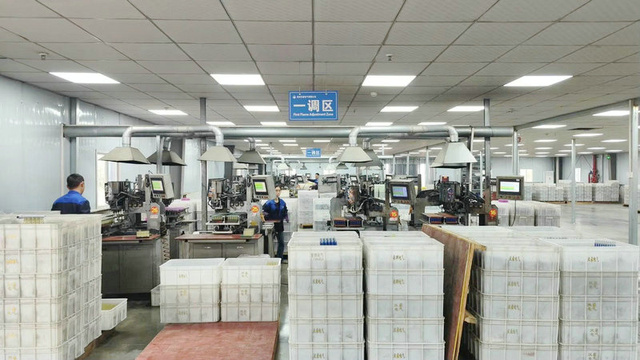
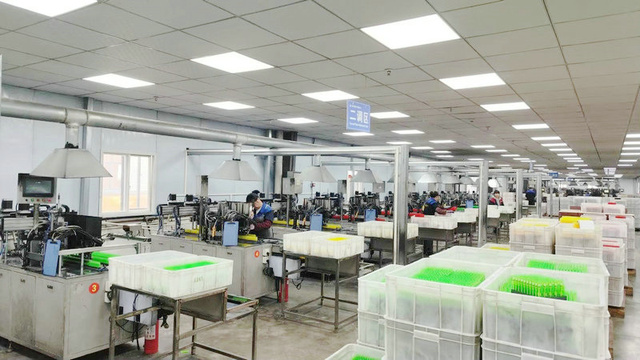
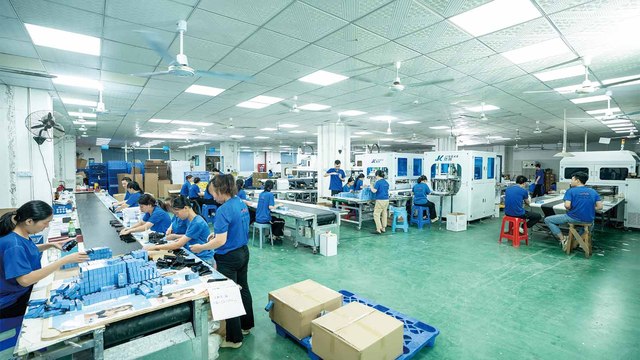
Located in Shenzhen, China's renowned center for electronic innovation and manufacturing, Shenzhen Luvn Vape Co., Ltd. operates state-of-the-art production facilities equipped with advanced automation systems and strict quality management processes. The company offers a diverse portfolio of products, including disposable vapes, pod systems, rechargeable vape devices, and customized vaping solutions designed for international brands, distributors, wholesalers, and retailers.
Innovation and product excellence are the foundation of the company's success. Backed by an experienced R&D team, Shenzhen Luvn Vape Co., Ltd. continuously invests in new technologies, product optimization, and stylish industrial designs to enhance user experience and adapt to changing market trends. The company also provides comprehensive OEM and ODM services, covering product development, appearance customization, branding, packaging design, and private label solutions.
Quality and safety remain top priorities throughout every stage of manufacturing. From raw material selection and component inspection to assembly, testing, and final packaging, rigorous quality control procedures ensure product consistency, reliability, and compliance with international standards.
Driven by innovation, quality, and customer satisfaction, Shenzhen Luvn Vape Co., Ltd. strives to become a trusted long-term partner for global customers seeking premium vape devices and professional manufacturing services. The company remains dedicated to helping clients build competitive brands and achieve sustainable growth in the worldwide vaping industry.
Operating in the global vaping industry requires strict adherence to international regulations. In North America, state-level regulations (such as California's Phase 3 Heavy Metals Testing) require that cartridges contain virtually zero detectable lead, arsenic, cadmium, or mercury. In Europe, the Tobacco Products Directive (TPD) enforces tight limits on tank capacity (maximum 2ml), child-resistant locks, and comprehensive emissions testing.
At Shenzhen Luvn Vape Co., Ltd., we prioritize compliance by sourcing premium raw materials:
We supply all necessary compliance documentation, including CE, RoHS, FCC, and MSDS certifications, to ensure smooth clearance through international customs and give retail brands peace of mind.
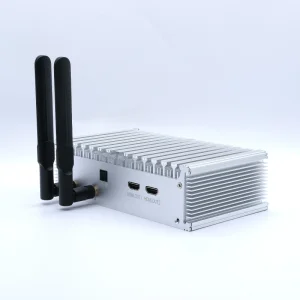
Our comprehensive line of electronic cigarette hardware, rugged edge controllers, and custom enclosures engineered for industrial deployment.
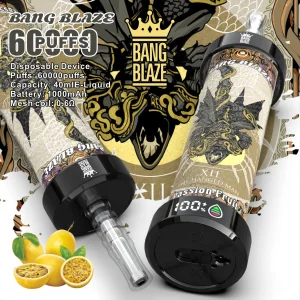
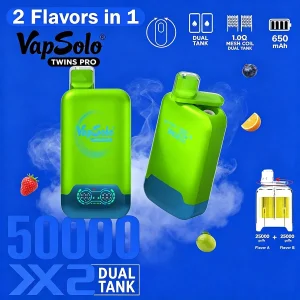
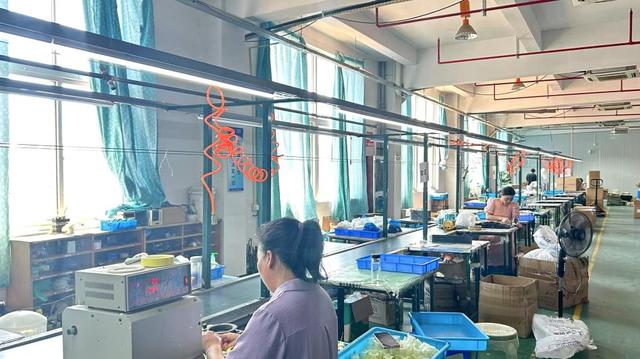
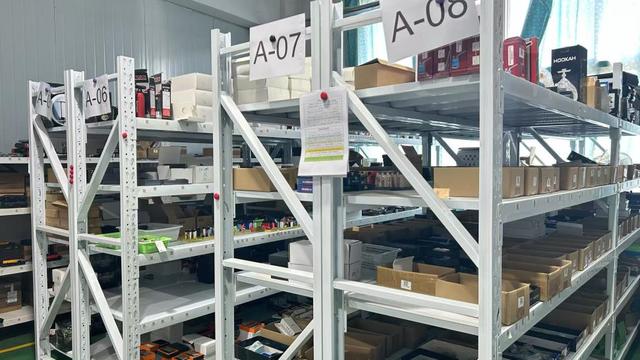
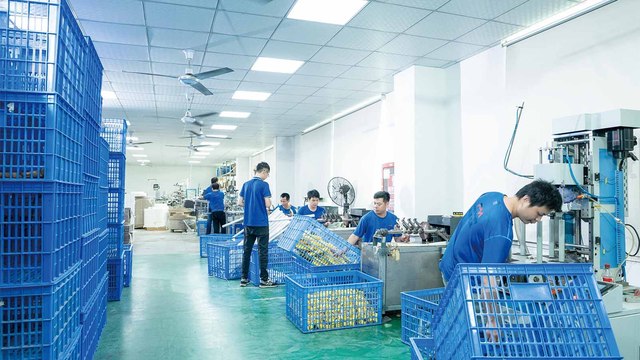
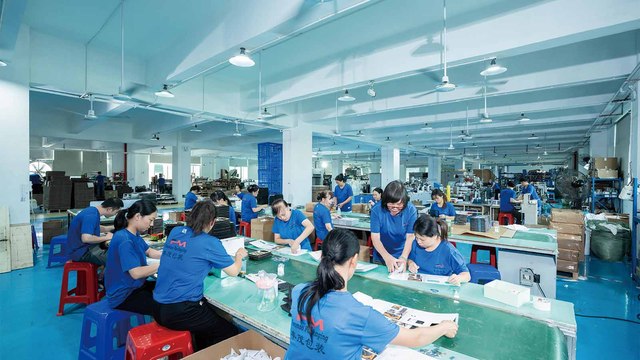
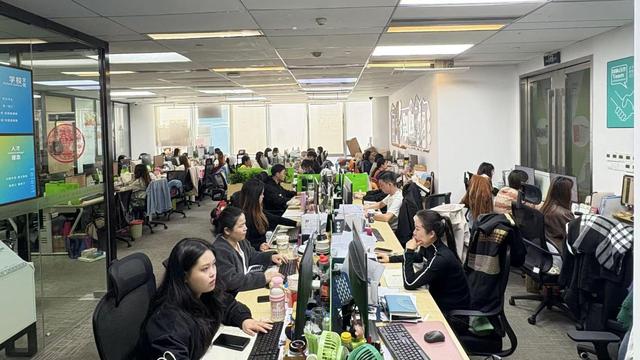
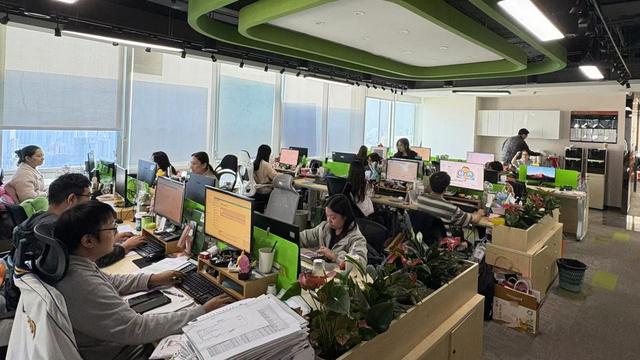
An inside look at our state-of-the-art production floors, advanced testing labs, and assembly units in Shenzhen.
 Luvn Vape