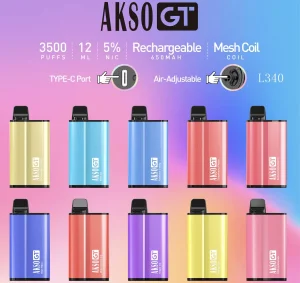
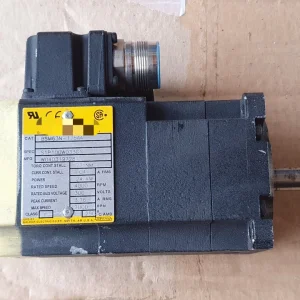
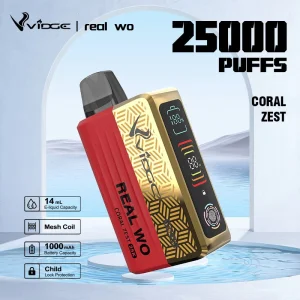
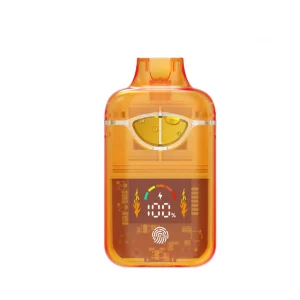
Select high-performance industrial components and sub-ohm mesh coil vaping systems manufactured in advanced electronic clusters.
The global electronic nicotine delivery systems (ENDS) landscape has undergone a monumental shift. In the early days of personal vaporizers, round-wire microcoils dominated the DIY and manufacturing sectors. However, as user search intent shifted towards flavor consistency, maximum aerosol density, and faster ramp-up times, the industry underwent a major technical pivot. Enter mesh coil technology.
Unlike standard wire, mesh coil kits feature a perforated metal sheet (often configured as Kanthal, Nichrome, or Stainless Steel) that maximizes the contact surface area between the heating element and the organic cotton wick. This uniform distribution of heat mitigates localized hot spots, effectively reducing dry hits and extending the life cycle of the disposable pod or reusable tank. This whitepaper analyzes the current commercial landscape of mesh coil manufacturing, the global sourcing matrix, and the structural technological advantages of China’s leading production hubs.
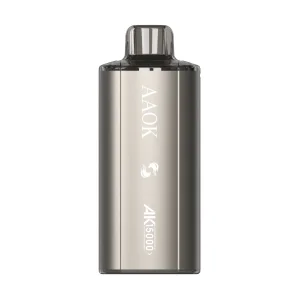
Mesh coil kits are no longer a niche premium hardware category; they are the baseline industry standard across North American, European, and Middle Eastern markets. High-capacity disposables featuring 15,000 to 25,000 puffs rely heavily on dual-mesh structures to guarantee consistent flavor output until the last milliliter of e-liquid is aerosolized.
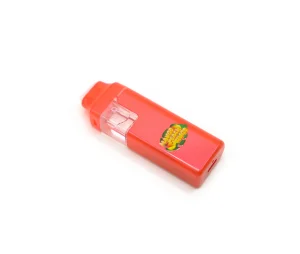
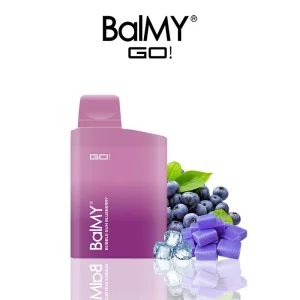
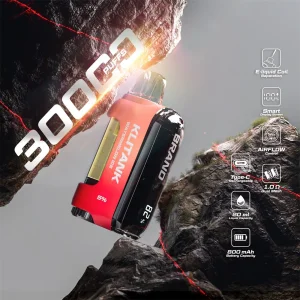
For industrial buyers, understanding the localization of these systems is crucial. In high-regulation regions like the EU (governed by the Tobacco Products Directive - TPD), mesh coils are engineered within 2ml cartridge limits (e.g., the Balmy Go 600 Puffs) to maximize the aerosol efficiency of the restricted e-liquid volume. In contrast, in open markets such as South America and parts of the United States, large-capacity devices utilizing dual-chamber configurations and dynamic power regulation represent the highest-selling B2B segments.
Why do global vape brands source over 90% of their mesh coil hardware from China, specifically the Shenzhen electronic manufacturing cluster? The answer lies in the intense optimization of the vertical supply chain.
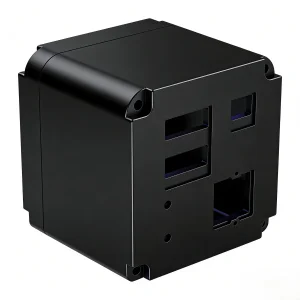
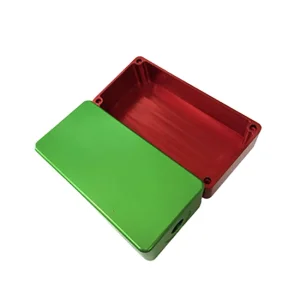
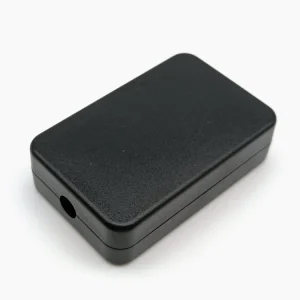
Shenzhen’s manufacturing speed allows factories to transition a 3D CAD schematic of a new mesh structure into a working prototype in as little as 48 hours. By utilizing in-house CNC machining centers and electronic shielding box fabs, manufacturers can bypass slow tooling phases and move directly to testing.
Raw material sourcing for mesh heating matrices (primarily premium Kanthal alloys and medical-grade ceramics) is concentrated within the Pearl River Delta. High-volume purchasing drives down unit costs to fractions of a cent, translating to highly competitive FOB prices for international wholesalers.
Top-tier exporters implement automated visual inspection (AVI) systems and real-time resistance matching to filter out variations in coil resistance. This ensures that every mesh unit conforms to the exact target ohm range (typically ±0.05 ohms), eliminating early component failures.
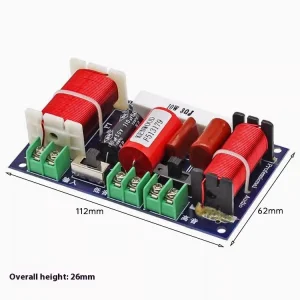
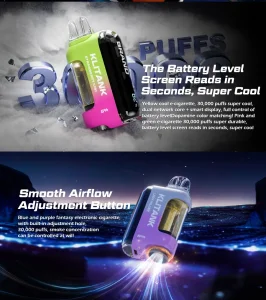
Furthermore, local integration allows suppliers to combine high-power audio electronics, custom CNC machined enclosures, and advanced microchips into specialized systems (like high-puff mod kits and real-time smart screen dual-chamber devices) without coordinating across multiple continents. This geographic alignment lowers transaction costs and significantly reduces time-to-market.
Shenzhen Luvn Vape Co., Ltd. is a leading China vape device manufacturer specializing in the research, development, production, and global supply of innovative electronic cigarette products. As a professional OEM & ODM electronic cigarette supplier, the company is committed to delivering high-quality vaping solutions that meet the evolving needs of global markets.
Located in Shenzhen, China's renowned center for electronic innovation and manufacturing, Shenzhen Luvn Vape Co., Ltd. operates state-of-the-art production facilities equipped with advanced automation systems and strict quality management processes. The company offers a diverse portfolio of products, including disposable vapes, pod systems, rechargeable vape devices, and customized vaping solutions designed for international brands, distributors, wholesalers, and retailers.
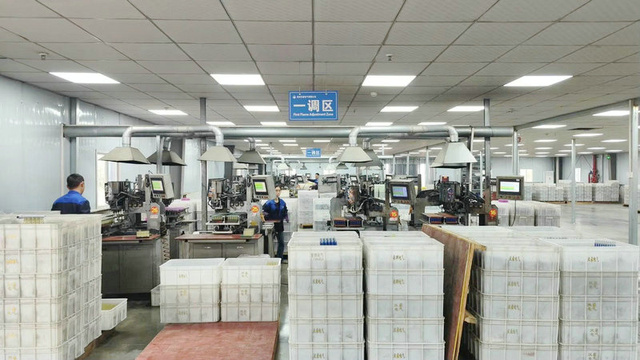
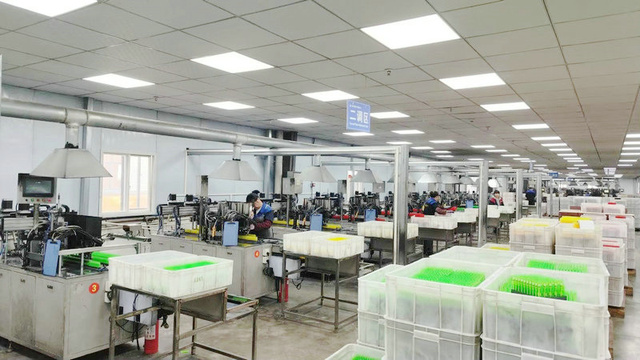
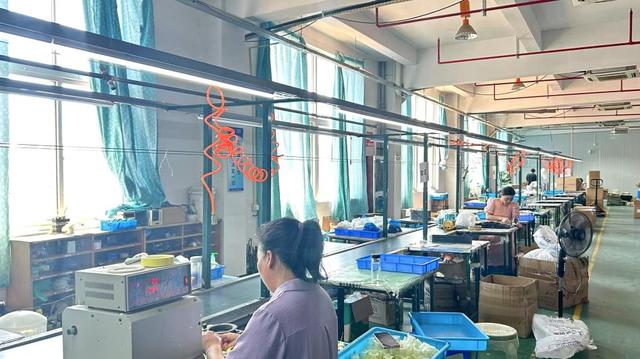
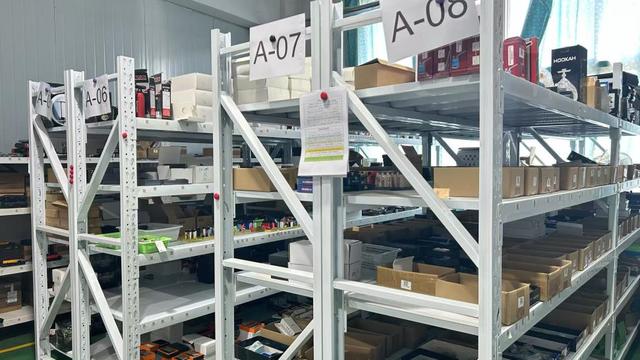
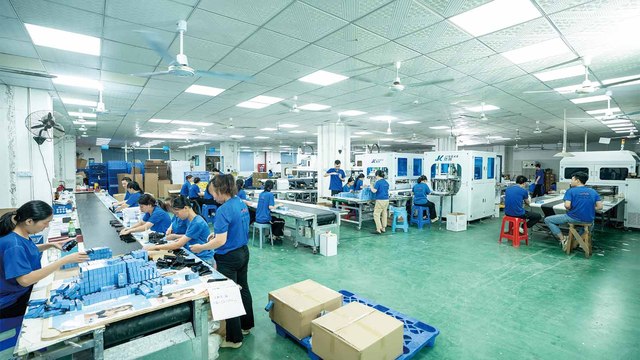
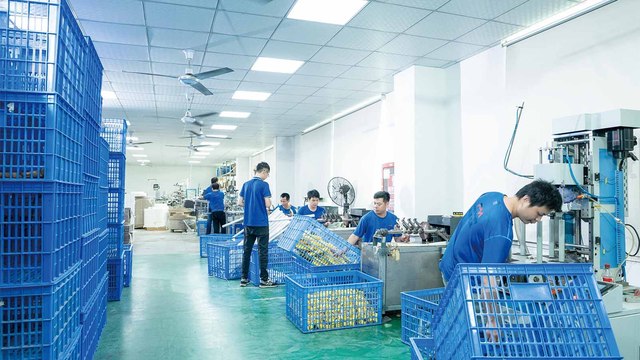
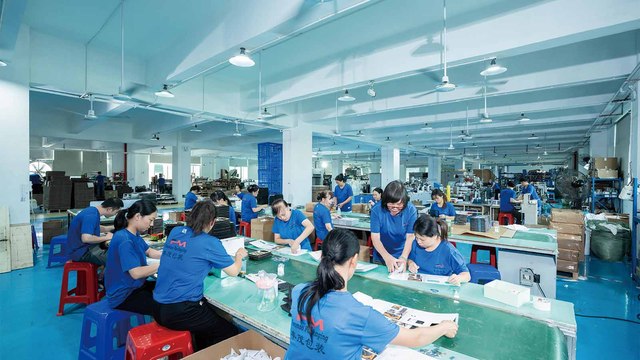


Innovation and product excellence are the foundation of the company's success. Backed by an experienced R&D team, Shenzhen Luvn Vape Co., Ltd. continuously invests in new technologies, product optimization, and stylish industrial designs to enhance user experience and adapt to changing market trends. The company also provides comprehensive OEM and ODM services, covering product development, appearance customization, branding, packaging design, and private label solutions.
Quality and safety remain top priorities throughout every stage of manufacturing. From raw material selection and component inspection to assembly, testing, and final packaging, rigorous quality control procedures ensure product consistency, reliability, and compliance with international standards.
Driven by innovation, quality, and customer satisfaction, Shenzhen Luvn Vape Co., Ltd. strives to become a trusted long-term partner for global customers seeking premium vape devices and professional manufacturing services. The company remains dedicated to helping clients build competitive brands and achieve sustainable growth in the worldwide vaping industry.
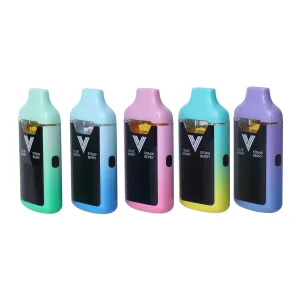
Enterprise sourcing requirements for mesh coil kits depend largely on local regulatory frameworks and localized consumer behavior patterns. In North American jurisdictions, the demand leans heavily towards rechargeable smart-screen devices that handle thicker oil viscosity ranges (such as live rosin and distillates). These require specific ceramic-embedded mesh heaters to prevent clogging and scorching.
In contrast, Western European distributors optimize their portfolios for TPD compliance, prioritizing high-efficiency mesh structures configured for 20mg/ml nicotine salt absorption rates. In Eastern Europe and Central Asia, there is growing interest in multi-purpose box mods that incorporate Modbus RTU/BACnet status capabilities for custom laboratory or control tests, as well as high-power bookshelf speakers containing high-low frequency dividers for specialty lounge configurations.
Global procurers should assess factories based on these specialized profiles, ensuring their target supplier has certified ISO Class 8 cleanrooms, GMP compliance, and extensive RoHS/CE records before signing high-volume manufacturing agreements.
The engineering landscape for mesh coils is moving rapidly towards multi-grid configurations and intelligent dynamic systems. High-capacity devices are shifting away from single mesh designs to adopt dual-mesh structures with alternating firing mechanisms. By cycling the electrical current between two independent heating matrices, factories prevent heat accumulation, maintain cotton wick saturation, and deliver consistent flavor profiles even during long draws.
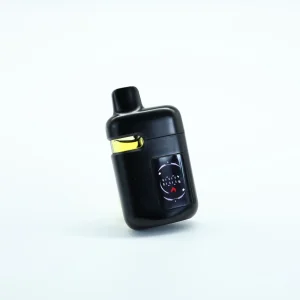
Additionally, visual interface integration is becoming standard. Users now expect real-time feedback on remaining e-liquid volume, exact battery percentages, and active output modes (such as "Boost" or "Eco") displayed on high-resolution LED screens. Incorporating these technologies requires advanced microcircuitry, robust plastic injection-molded chassis, and precision CNC-milled aluminum shielding components to protect internal control boards from moisture ingress and physical shocks.
Get clear, actionable answers to key technical questions about sourcing mesh coil kits directly from Chinese factories.
Mesh coils distribute heat over a larger surface area than traditional wire coils. This larger contact area vaporizes e-liquid more evenly, resulting in improved flavor, denser vapor production, and a faster ramp-up time. It also extends coil life by eliminating the localized hot spots that can scorch wicks.
Top manufacturers use high-precision automated laser cutting and stamping machines to fabricate mesh sheets to sub-micron tolerances. Online testing systems measure the resistance of each unit during the automated assembly process, automatically sorting out any components that deviate from the target specification (typically within ±0.05 ohms).
B2B buyers should confirm that manufacturers hold CE, RoHS, and FCC certificates. For medical or high-safety compliance, cleanroom production lines should meet ISO 14644-1 Class 8 or Class 7 standards. Companies exporting to Europe must also provide TPD-compliant laboratory test profiles.
Yes, but they require a specialized configuration. For thick oils, factories integrate porous ceramic wicks with embedded mesh elements. This dual-structure design provides the capillary action needed to feed thick distillates to the heating area without clogging or burning the wick material.
Initial design, prototyping, and tooling iterations generally take 15 to 30 days. Once the pre-production sample is approved, typical production run lead times range from 20 to 25 days, depending on the complexity of the housing parts and current factory capacity.
Browse our broader range of high-capacity vaporizers, custom enclosures, and industrial electronic components.
 Luvn Vape