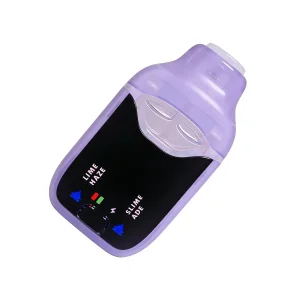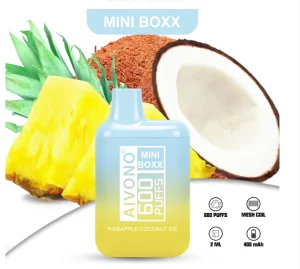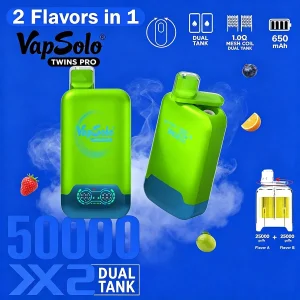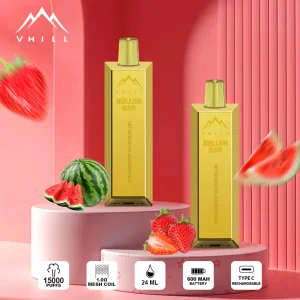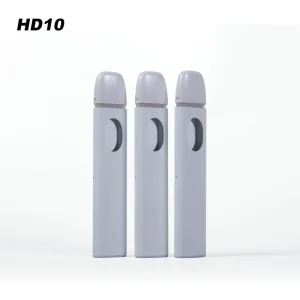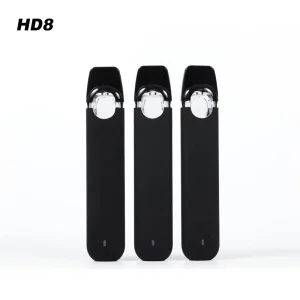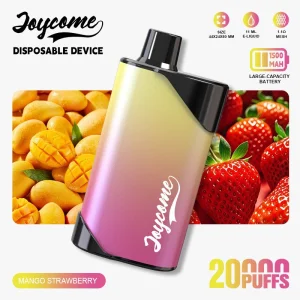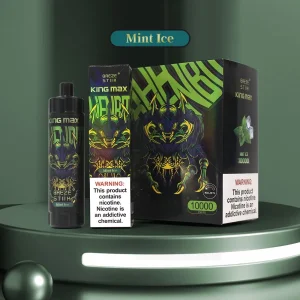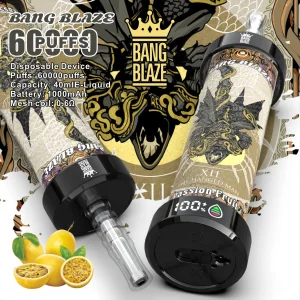
The global electronic atomization industry is currently undergoing a structural transformation. What started as low-capacity, single-use hardware (ranging from 300 to 2,000 puffs) has rapidly transitioned into high-capacity platforms exceeding 10,000, 20,000, and even 60,000 puffs per device. This evolution is driven by consumer demand for lower cost-per-puff economics, superior thermal consistency, and feature-rich digital interfaces. Simultaneously, the specialized market for botanical extract hardware (thick oil, live resin, rosin, and distillate) requires high-capacity ceramic core platforms designed to eliminate burnt tastes, clogging, and heavy metal leaching.
Navigating this shifting market demands hardware suppliers capable of bridging high-precision micro-engineering with mass-scale automation. As global regulatory compliance frameworks (TPD in Europe, PMTA in the United States, and strict local safety directives) tighten, top-tier manufacturers are moving away from commodity assembly to fully vertically integrated OEM/ODM ecosystems. These platforms combine advanced microporous ceramic heating elements, dual-mesh coil configurations, smart Battery Management Systems (BMS), and precision aluminum CNC enclosures.
Selecting an enterprise OEM/ODM partner for high-capacity hardware requires rigorous evaluation beyond mere production volume. High-capacity devices store large volumes of e-liquid (up to 40ml–50ml) or high-viscosity botanical oils (1ml–6ml). This exposes hardware to extreme thermal stress, potential oxidation, voltage degradation, and leakage risks over extended lifecycles. Leading manufacturers are benchmarked according to four core technical pillars:
Evaluation of microporous ceramic porosity, dual-mesh coil resistance balance (typically 0.6Ω to 1.1Ω), and dynamic heat distribution to prevent oil degradation over 10,000 to 60,000 cycles.
Integration of Grade-A pure cobalt rechargeable lithium-ion cells (500mAh to 1500mAh) backed by overcharge, short-circuit, and thermal runaway protection microchips.
Implementation of multi-layer silicone sealing gaskets, oil-coil separation (OCS) mechanisms, and independent condensation traps that preserve hardware integrity during transit and long-term use.
| Hardware Class | Oil Capacity | Core Technology | Target Viscosity / E-Liquid | Primary Market Sector |
|---|---|---|---|---|
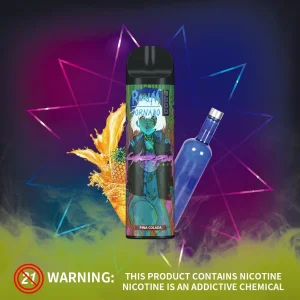
| Ultra-Puff Disposables | 15ml – 40ml | Dual Mesh Coil (1.1Ω) + Smart LED | 50/50 - 70/30 Freebase/Salt Nic | Global Wholesale & Retail Brands |
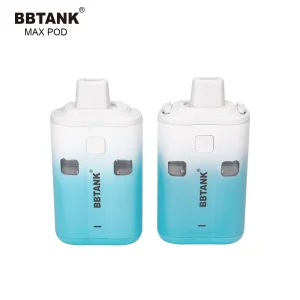
| Dual-Chamber Multi-Flavor | 1g + 1g / 3g + 3g | Dual Ceramic Core + Airflow Switch | High-Terpene Distillate & Live Resin | Medical & Recreational Dispensaries |
| Postless Wickless Hardware | 1ml – 3ml | Cotton-Free Full Ceramic Core | Ultra-Thick Rosin & Solventless Extract | Boutique Extract & Premium Concentrates |
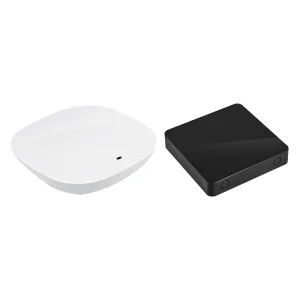
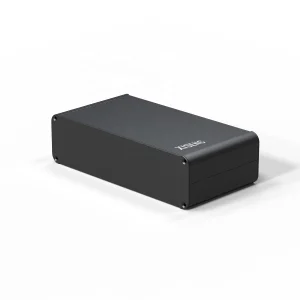
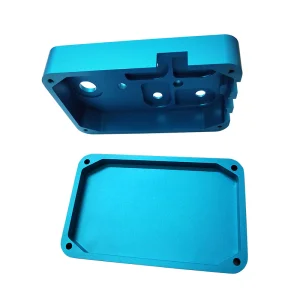
| Modular Industrial Enclosures | N/A (Hardware Shell) | Custom Machined Anodized CNC Aluminum | IoT Control Modules & Vape Mod Housing | Hardware OEM / IoT OEM Device Vendors |
To maintain continuous vapor purity without dry hits, high-capacity systems demand hardware innovations. Traditional cotton-wicking structures degrade rapidly when exposed to tens of thousands of heat cycles or thick extracts. Top manufacturers have redefined performance standards through advanced material engineering.
In high-viscosity applications (such as live resin, HHC, and delta concentrates), center-post metal chimneys often lead to oil clogging, thermal unevenness, and heavy metal leaching risk. Postless hardware designs replace internal metal central posts with all-ceramic heating chambers. Microporous ceramic cores engineered with controlled pore distributions (ranging from 40% to 60% porosity) allow high-viscosity oil to absorb evenly across the heating matrix without burnt tastes.
A key innovation in the high-capacity landscape is the emergence of dual-chamber systems (e.g., 1g+1g or 3g+3g configurations). Utilizing independent oil reservoirs and dual ceramic coils connected to a smart toggle or airflow-activated system, users can alternate between two distinct oil formulations or blend them simultaneously. This technical architecture relies on isolated internal air paths to eliminate cross-contamination between chambers.
Beyond internal atomization, structural integrity and thermal management are vital. Custom aluminum profile enclosures—machined using precision 5-axis CNC technology and finished with anodic oxidation—provide robust thermal dispersion and RF shielding for smart control boards. These enclosures protect high-capacity battery units while offering customizable aesthetics for premium hardware brands and industrial IoT control applications.
For international distributors, brands, and multi-state operators (MSOs), supply chain agility and regulatory compliance are essential for market expansion. High-capacity kits present unique logistical challenges, including battery transport regulations (UN38.3, MSDS) and regional customs clearance protocols.
Leading suppliers maintain localized European storage hubs (such as Germany and Netherlands facilities). This operational setup offers DDP (Delivered Duty Paid) clearance, short transit times, and protection against supply chain bottlenecks for high-puff devices (e.g., 15,000 to 50,000 puff smart devices).
Full adherence to CE, RoHS, FCC, and TPD safety guidelines ensures that heavy metals, emissions, and electrical components pass testing by accredited third-party laboratories prior to global deployment.
End-to-end customization empowers brands to customize every detail: from oil hole sizes (0.9mm to 2.0mm for varying viscosities) and custom resistance profiles to custom surface treatments, branding, and anti-counterfeiting packaging.
Shenzhen Luvn Vape Co., Ltd. is a leading China vape device manufacturer specializing in the research, development, production, and global supply of innovative electronic cigarette products. As a professional OEM & ODM electronic cigarette supplier, the company is committed to delivering high-quality vaping solutions that meet the evolving needs of global markets.
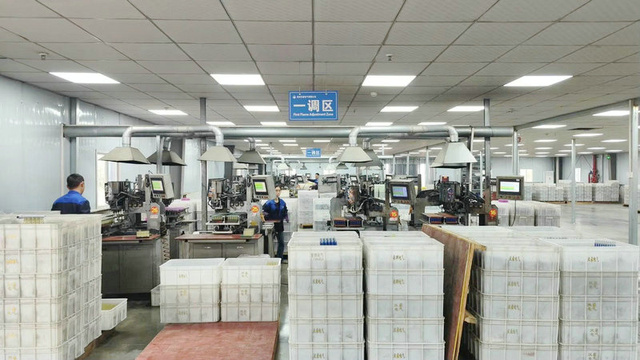
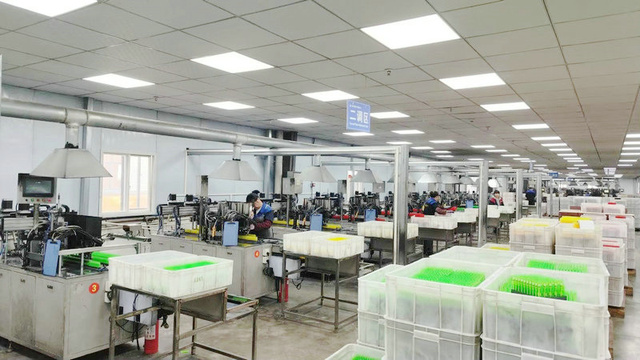
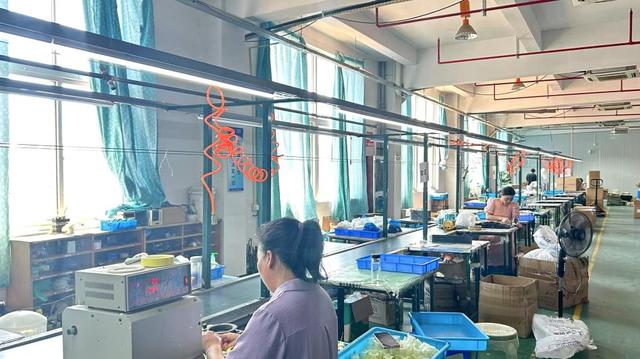
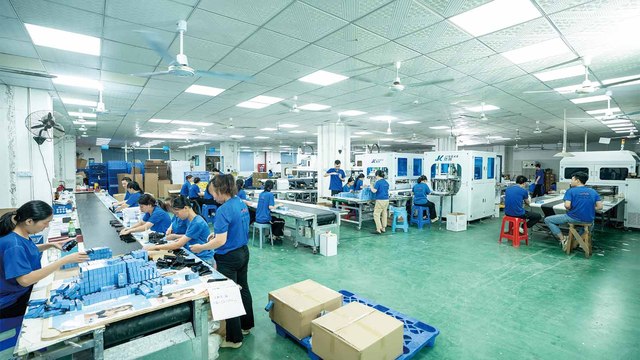
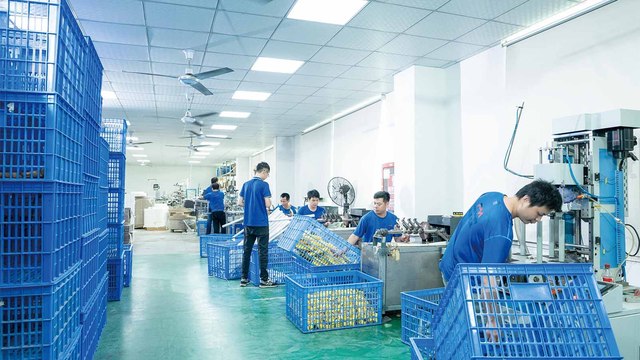
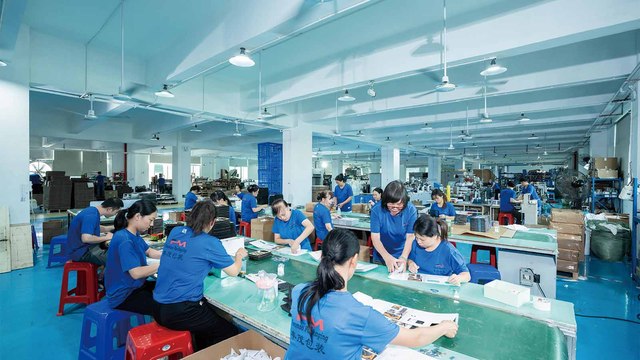
Located in Shenzhen, China's renowned center for electronic innovation and manufacturing, Shenzhen Luvn Vape Co., Ltd. operates state-of-the-art production facilities equipped with advanced automation systems and strict quality management processes. The company offers a diverse portfolio of products, including disposable vapes, pod systems, rechargeable vape devices, and customized vaping solutions designed for international brands, distributors, wholesalers, and retailers.
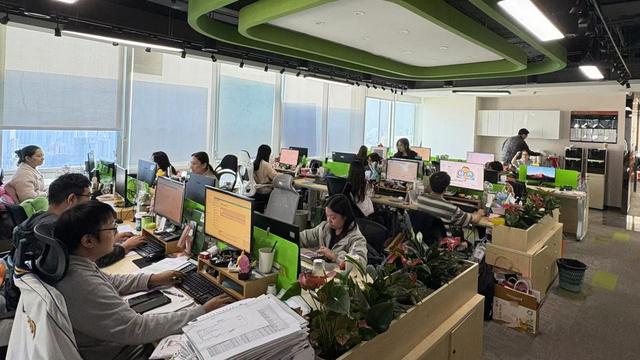
Innovation and product excellence are the foundation of the company's success. Backed by an experienced R&D team, Shenzhen Luvn Vape Co., Ltd. continuously invests in new technologies, product optimization, and stylish industrial designs to enhance user experience and adapt to changing market trends. The company also provides comprehensive OEM and ODM services, covering product development, appearance customization, branding, packaging design, and private label solutions.
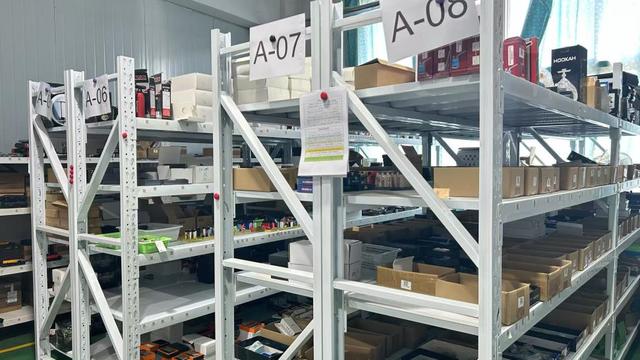
Quality and safety remain top priorities throughout every stage of manufacturing. From raw material selection and component inspection to assembly, testing, and final packaging, rigorous quality control procedures ensure product consistency, reliability, and compliance with international standards.
Driven by innovation, quality, and customer satisfaction, Shenzhen Luvn Vape Co., Ltd. strives to become a trusted long-term partner for global customers seeking premium vape devices and professional manufacturing services. The company remains dedicated to helping clients build competitive brands and achieve sustainable growth in the worldwide vaping industry.

As the hardware landscape matures, the focus of high-capacity atomization engineering is expanding beyond high puff counts to encompass intelligent telemetry, eco-friendly materials, and optimized energy management.
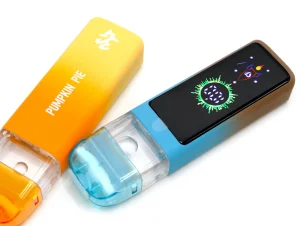
Integration of ultra-low-power smart microchips paired with full-color TFT/LED display panels. Real-time tracking of exact e-liquid volume, battery life percentage, wattage output settings, and puff duration gives users precise control.
With environmental regulations increasing globally, manufacturers are developing detachable battery pods and recyclable aluminum enclosures. This modular approach allows users to retain the electronic control core while replacing only the oil pod, minimizing electronic waste.
Future high-capacity disposable platforms are adopting alternating sub-ohm dual mesh coils (0.6Ω to 0.8Ω). By alternating firing sequences between two coils, temperature remains balanced, preventing flavor degradation even in 40ml to 60ml devices.
Technical, regulatory, and commercial answers for brands, distributors, and procurement managers evaluating high-capacity vaping hardware and custom manufacturing services.
 Luvn Vape