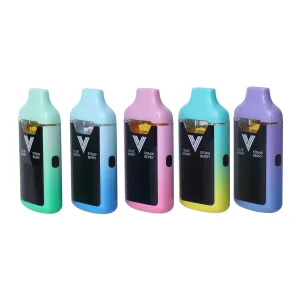
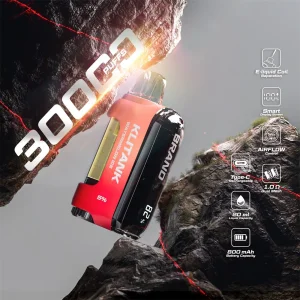
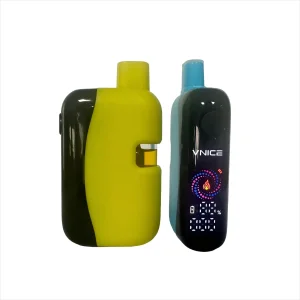
Engineered for absolute compatibility with premium high-viscosity formulations, clean room standards, and regulated safety pathways.
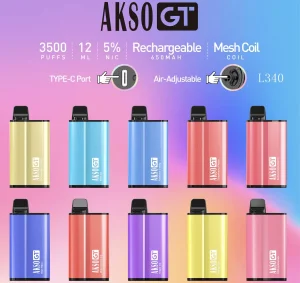
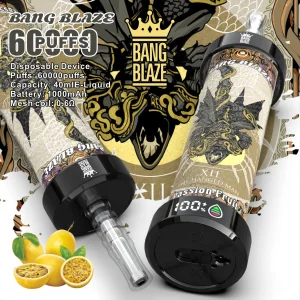
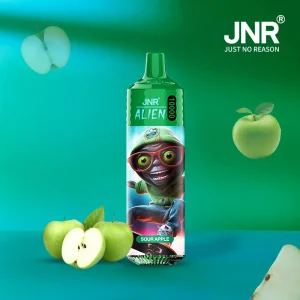
In the rapidly consolidating international electronic nicotine delivery systems (ENDS) sector, multinational distributors, multi-state operators (MSOs), and fast-growing global brands face complex operational hurdles. Procurement directors no longer simply buy products; they manage legal exposure, supply chains, and technical standards. Securing a reliable supply of premium, CE-certified e-liquids is a strategic shield against regulatory, chemical, and logistics risks.
Information Gain Insight: According to global regulatory audits, over 67% of e-liquid import rejections in the European Union are caused by incomplete CLP (Classification, Labelling and Packaging) documentation or traces of banned impurities such as diacetyl, acetyl propionyl, or heavy metals. True CE compliance requires thorough analytical trace testing, not just a simple checklist certificate.
Commercial buyers assess e-liquid suppliers using four main criteria:
We source only 99.7% pure Vegetable Glycerin and Propylene Glycol to ensure clean, residue-free vaporization and consistent vapor density across all device form factors.
Every single batch undergoes testing for chemical stability and purity. Our gas chromatography-mass spectrometry testing checks for impurities down to parts per million (ppm).
Get complete compliance files, including TPD registration data, CE certifications, and REACH clearances, ready for international customs authorities.
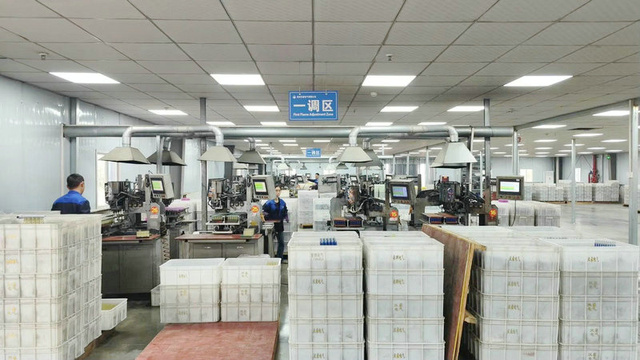
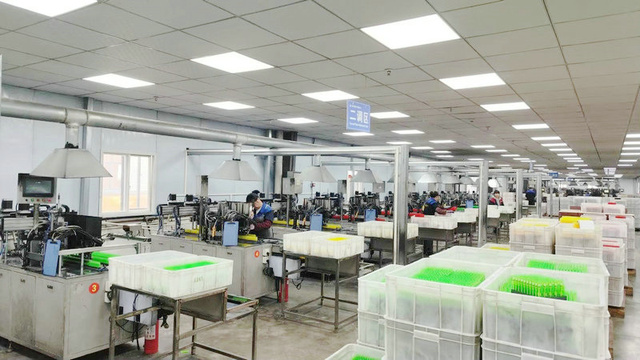
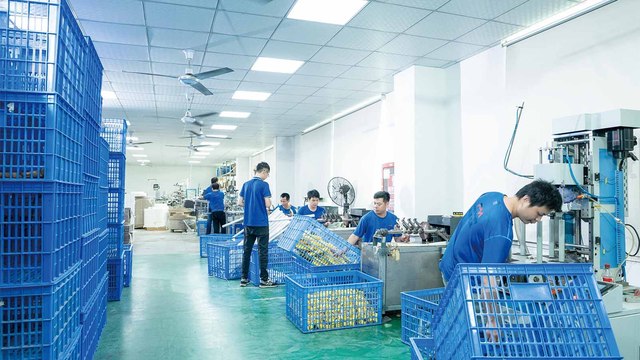
To manufacture premium e-liquids at scale, suppliers must move away from manual laboratory methods and adopt fully automated, pharmaceutical-grade industrial production. Modern factories feature advanced liquid-handling systems, automated bottle-filling networks, and cleanrooms designed to prevent environmental contamination.
The production lines must meet ISO Class 7 (Class 10,000) cleanroom standards, keeping airborne dust particles, microorganisms, and chemical contaminants out of the process. In addition, the factory floor uses closed-loop automated ingredient dosing systems, which eliminate human error and protect the purity of the e-liquid.
Air Filtration Cleanroom
Closed-Loop Automated Filling
Nicotine Dosing Precision
Global Brand Markets Served
For brands looking for a dependable manufacturing partner, the ideal vendor combines expert formulation capabilities with high-capacity hardware production. A strong example is Shenzhen Luvn Vape Co., Ltd., based in the world's primary electronic manufacturing hub. The company integrates modern hardware production with advanced liquid-handling technology, giving B2B buyers a complete manufacturing partner for both the device and the formulation.
The performance of an e-liquid depends directly on the hardware it is used in. The design of the coil, the wicking material, and the airflow configuration all shape how the flavor and nicotine are delivered. Key technical developments in this area include:
Manufacturers must balance the sensory profile and absorption rate of nicotine. Smooth nicotine salts, formulated by pairing benzoic or salicylic acids with pure USP nicotine, are best for low-wattage, high-resistance pod systems. For high-power sub-ohm devices, freebase nicotine provides a stronger throat hit and excellent flavor dispersion.
Traditional coil structures often heat unevenly, creating hot spots that can scorch the liquid and produce trace amounts of aldehydes (like formaldehyde or acrolein). Modern mesh and porous ceramic coils distribute heat evenly across a wider surface area. This precise thermal control prevents chemical breakdown, ensuring clean flavor and consistent vapor output.
Vaporization dynamics are also shaped by ambient temperature and atmospheric pressure. Suppliers prevent leakage by balancing propylene glycol (PG) and vegetable glycerin (VG) ratios for specific climates, and by using hardware with multi-layer condensation chambers and silicone seals.
R&D Benchmark: High-puff devices (from 10,000 to 60,000 puffs) require e-liquids with excellent thermal stability. Standard flavorings can degrade after multiple heating cycles, leading to muted flavor and harsh vapor. Premium formulations are chemically engineered to withstand prolonged heating without leaving residue on the coil.
Entering international markets requires strict compliance with local laws. A single compliance failure can delay shipments, result in major fines, or lead to product seizures at the border.
Shenzhen Luvn Vape Co., Ltd. is a leading China vape device manufacturer specializing in the research, development, production, and global supply of innovative electronic cigarette products. As a professional OEM & ODM electronic cigarette supplier, the company is committed to delivering high-quality vaping solutions that meet the evolving needs of global markets.
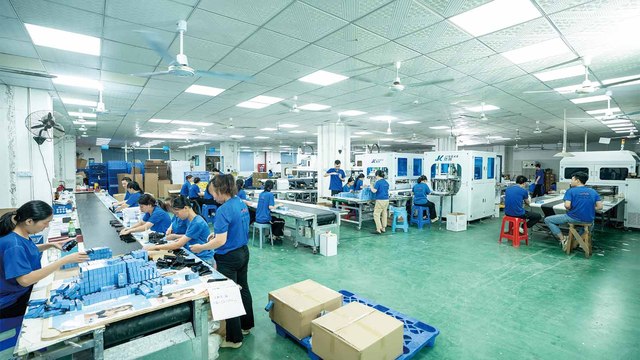
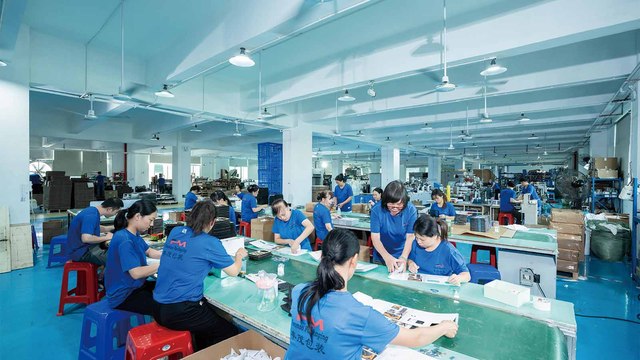
Located in Shenzhen, China's renowned center for electronic innovation and manufacturing, Shenzhen Luvn Vape Co., Ltd. operates state-of-the-art production facilities equipped with advanced automation systems and strict quality management processes. The company offers a diverse portfolio of products, including disposable vapes, pod systems, rechargeable vape devices, and customized vaping solutions designed for international brands, distributors, wholesalers, and retailers.
Innovation and product excellence are the foundation of the company's success. Backed by an experienced R&D team, Shenzhen Luvn Vape Co., Ltd. continuously invests in new technologies, product optimization, and stylish industrial designs to enhance user experience and adapt to changing market trends. The company also provides comprehensive OEM and ODM services, covering product development, appearance customization, branding, packaging design, and private label solutions.
Quality and safety remain top priorities throughout every stage of manufacturing. From raw material selection and component inspection to assembly, testing, and final packaging, rigorous quality control procedures ensure product consistency, reliability, and compliance with international standards.
Driven by innovation, quality, and customer satisfaction, Shenzhen Luvn Vape Co., Ltd. strives to become a trusted long-term partner for global customers seeking premium vape devices and professional manufacturing services. The company remains dedicated to helping clients build competitive brands and achieve sustainable growth in the worldwide vaping industry.
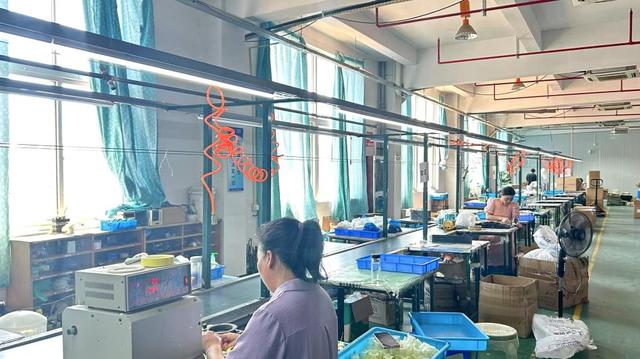
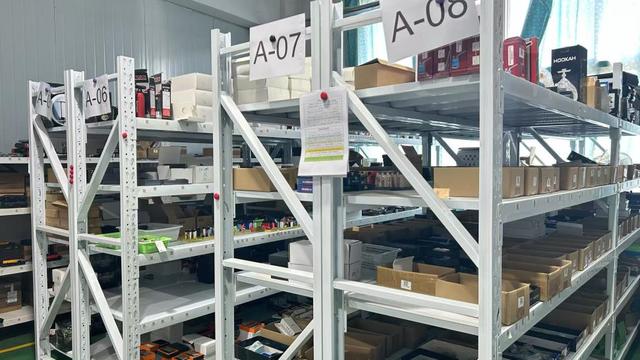
Take a closer look at our cleanrooms, assembly floors, automated packaging systems, and QA testing facilities:


Find technical and regulatory answers to common questions about CE-certified e-liquid manufacturing and hardware integration.
To earn CE certification, e-liquids must undergo comprehensive safety testing. This includes chemical purity tests on propylene glycol, vegetable glycerin, and nicotine to confirm they are USP/EP grade. It also requires heavy metals testing, emission testing to check for harmful carbonyls like formaldehyde and acrolein, and complete MSDS/SDS paperwork matching European CLP guidelines.
PG/VG ratios affect the liquid's viscosity and performance. A 50/50 ratio works best in low-wattage pod devices because it flows quickly, preventing dry hits on small coils. High-puff disposable devices with modern mesh coils often use a 60/40 or 70/30 VG/PG ratio. This thicker liquid helps prevent leaks and produces denser vapor.
Yes. Different global markets prefer different formulations. The European market often favors natural, subtle flavors with medium throat hits, while markets in Southeast Asia and North America frequently look for high-sweetness profiles, cooling agents, and high-concentration nicotine salts.
For custom e-liquid formulations, sample validation and matching typically take 7 to 10 days. Once the formulation is approved and compliance documents are finalized, high-volume production ranges from 21 to 30 days. This timeline can change depending on customization needs, order size, and scheduling.
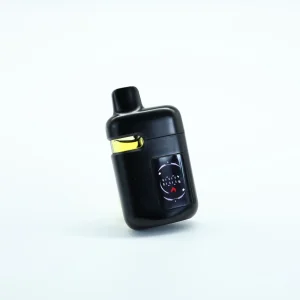
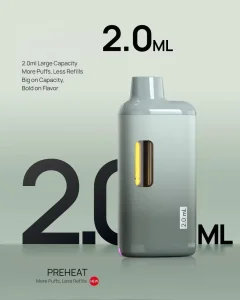
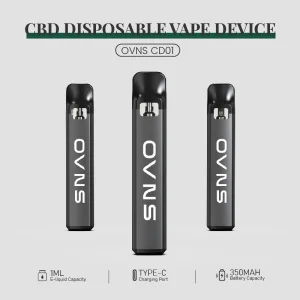
Designed for stability, leak protection, and optimal performance with high-quality e-liquids.
 Luvn Vape