The rise of vaping has sparked a heated dialogue in the public health sector. Understanding "what is a vape device" is essential for both users and non-users alike. Dr. Emily Carter, a renowned expert in tobacco harm reduction, notes, “Vape devices offer a new way to consume nicotine, but their safety is still debated.”
Vape devices come in many forms and sizes. Most rely on batteries to heat specially formulated e-liquids, converting them into vapor. This process creates an inhalable aerosol, often flavored and infused with nicotine. However, the range of products can lead to confusion about their risks and benefits. Consumers might assume all vapes are safer than traditional cigarettes, but that may not be true.
There is no one-size-fits-all answer to the question of safety. Each vape device varies significantly in design and chemical composition. Users must acknowledge that while these devices may offer an alternative, the long-term health effects are still unknown. Engaging with the ongoing research can help clarify the potential risks and make informed decisions.
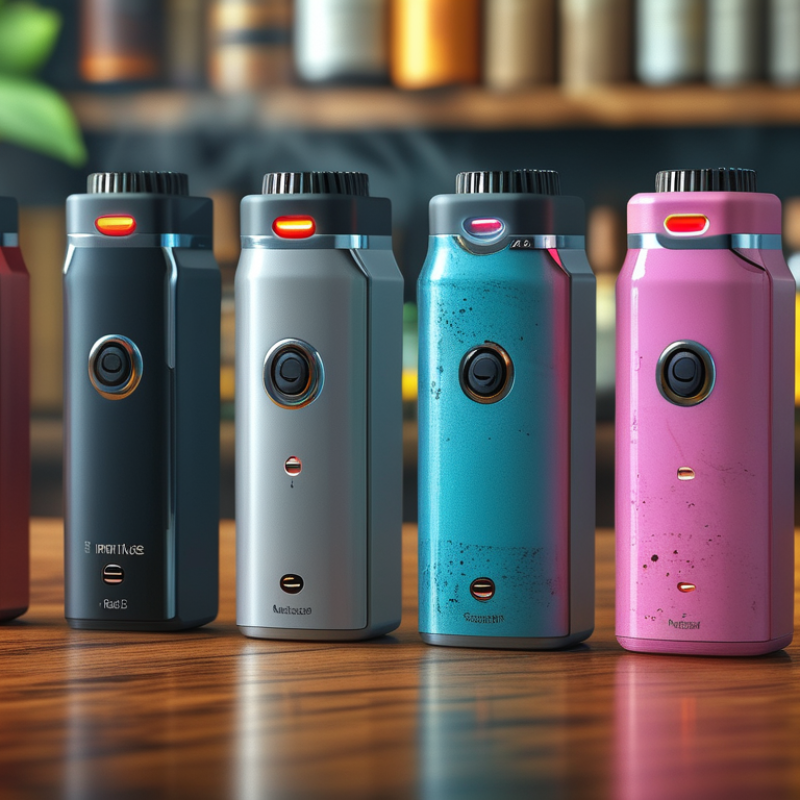
A vape device is a handheld electronic apparatus that vaporizes a liquid, known as e-liquid or vape juice. This liquid typically contains propylene glycol, vegetable glycerin, flavorings, and nicotine, though nicotine-free options are also available. Users inhale the vapor produced, allowing for an alternative experience compared to traditional smoking.
The device generally consists of several key components: a battery, an atomizer, and a tank or cartridge. The battery powers the atomizer, which heats the e-liquid until it transforms into vapor. Understanding how these components work can help new users make informed choices. Not all devices operate the same way, and some may have a steeper learning curve than others. Many find the variety of styles and functions overwhelming, leading to questions about safety and usage.
While some users appreciate the customizable nature of vape devices, this flexibility comes with challenges. For example, proper maintenance is necessary to avoid malfunction. Users need to clean their devices and replace coils regularly. Neglecting these tasks can lead to a poor vaping experience or even device failure. Reflecting on one’s practices will enhance usability and satisfaction.
Vape devices consist of several key components that work together to produce inhalable vapor. The main elements include the battery, atomizer, and e-liquid. The battery powers the device, providing the energy needed to heat the atomizer. The atomizer is crucial; it vaporizes the e-liquid as it is heated.
E-liquid, also known as vape juice, is stored in a tank. It contains various ingredients, usually including propylene glycol, vegetable glycerin, flavorings, and nicotine (optional). The choice of e-liquid affects the flavor and experience of vaping. Experimenting with different e-liquids can help users find their preferred taste.
Tips: Maintain your vape device regularly. Cleaning can improve performance and flavor. Change the coil as needed, since a burnt taste indicates it's time for a replacement. Additionally, consider your environment and usage habits. Vaping indoors can concentrate vapor, impacting air quality. Awareness of your surroundings is crucial when using a vape device.
Vape devices have gained popularity for their unique operation. At their core, they use a simple mechanism known as vaporization. When the device is activated, it heats a liquid solution, often called e-liquid. This liquid usually contains propylene glycol, vegetable glycerin, flavorings, and sometimes nicotine. The heat generates vapor, which is then inhaled by the user.
Understanding how vape devices operate involves examining the components. Most devices include a battery, a heating element (or atomizer), and a tank or cartridge for the e-liquid. According to a 2021 market report, vaping devices accounted for a significant 32% of the entire nicotine delivery market. This data highlights the increasing adoption of vapor technology among users seeking alternatives to traditional smoking.
Despite their appeal, vape devices come with concerns. Studies have shown that some e-liquids contain harmful substances, with about 30% exceeding safe limits for certain chemicals. Additionally, not all users are aware of these risks. The industry lacks standardized regulations regarding safety and ingredient disclosure. This uncertainty urges reflection on the vaping trend and its long-term implications.
| Component | Description |
|---|---|
| Battery | Provides power to heat up the coil. Can be rechargeable or disposable. |
| Atomizer | Contains the heating coil that vaporizes the e-liquid. |
| E-liquid | Flavored liquid typically containing nicotine, propylene glycol, and vegetable glycerin. |
| Mouthpiece | The part through which the user inhales the vapor produced by the device. |
| Sensor | Detects inhalation and activates the battery to heat the coil. |
| Chamber | Holds the e-liquid and atomizer in place, facilitating the vaporization process. |
Vape devices come in various forms, each designed to offer unique experiences. There are three primary types: cigalikes, vape pens, and box mods. Cigalikes resemble traditional cigarettes. They are easy to use and often favored by beginners. Vape pens are slightly larger, providing better battery life and adjustable settings. Box mods offer the most customization, allowing users to modify wattage and temperature for a personalized experience.
When choosing a vape device, consider your lifestyle. If you prefer portability, a cigalike or a compact vape pen may suit you. For those who enjoy experimenting, box mods offer vast potential. However, they can be complex. It's vital to familiarize yourself with the features before diving in.
**Tips:** Start with a device that matches your experience level. Don’t be afraid to ask for help. Many users have stories about their first vape experiences that didn’t go as planned. Learn from their mistakes and research thoroughly before purchasing. You want a device that fits your needs, not just trends.
Vaping has gained popularity, but safety and health concerns remain crucial. While some see vaping as a less harmful alternative to smoking, it’s important to understand the potential risks involved. Many vape devices contain nicotine, which is addictive and can have adverse health effects. Furthermore, the long-term effects of inhaling vaporized substances are still under investigation.
There are also risks associated with vaping devices themselves. Malfunctioning devices can lead to harmful accidents. Users should regularly check their equipment for wear and tear. Proper maintenance can mitigate some of these risks. Always be aware of where you charge your device. Overheating can happen, leading to burns or damage.
Tips:
Choose quality products from reputable sources. Research the ingredients in vape liquids. Look for third-party testing certifications. Consider reducing frequency or dosage to lower health risks. Be mindful of your environment and the impact of vaping on those around you.
: They vaporize a liquid solution, often called e-liquid, using heat from a battery-operated device.
A typical vape device includes a battery, a heating element, and a tank or cartridge for e-liquid.
Not entirely. Some e-liquids contain harmful substances, with 30% exceeding a safe limit for certain chemicals.
The main types include cigalikes, vape pens, and box mods, each offering different features and experiences.
Cigalikes are generally easy to use and are often preferred by novices starting their vaping journey.
Regularly check devices for malfunctions and use quality products. Also, research e-liquid ingredients thoroughly.
Think about your lifestyle, experience level, and what features you desire, like portability or customization.
Many vape devices contain nicotine, which is addictive and can have health implications.
Consider lowering frequency or dosage and be mindful of your environment while vaping.
Many users encounter issues. Learning from their experiences can help you make a better choice.
A vape device, often referred to as an e-cigarette, is a device designed for the inhalation of vaporized liquid, typically containing nicotine, flavorings, and other chemicals. The primary components of a vape device include a battery, a heating element (atomizer), and a cartridge or tank that holds the vape liquid. These devices operate by heating the liquid until it vaporizes, allowing users to inhale the resulting aerosol.
There are various types of vape devices available, ranging from simple cigalikes to advanced mod systems. Each type offers different features, such as adjustable wattage and tank capacity. While vaping is often perceived as a less harmful alternative to smoking, it is essential to consider safety and health implications, as research is ongoing regarding the long-term effects of inhaling vapor. Understanding what is a vape device and how it functions can help users make informed decisions about their use.

Luvn Vape