Leaking vape devices are a common issue that many users face. Understanding "why does my vape device leak" can help improve the vaping experience. According to Dr. James T. Vaping, a well-regarded expert in the field, “Leaking often occurs due to improper handling and maintenance.” This statement highlights the need for users to take care of their devices.
Vaping enthusiasts often wonder about the reasons behind frequent leaks. It can stem from various factors, including worn-out seals, improper coil installation, or even temperature changes. Each of these problems requires attention. Sometimes, users blame the device without considering their own actions. That's where a bit of self-reflection comes in.
It’s also vital to acknowledge that not all leaks can be avoided. Even with proper care, occasional issues may arise. Understanding "why does my vape device leak" can empower users. This knowledge enables them to troubleshoot and address problems effectively, leading to a more enjoyable vaping journey.
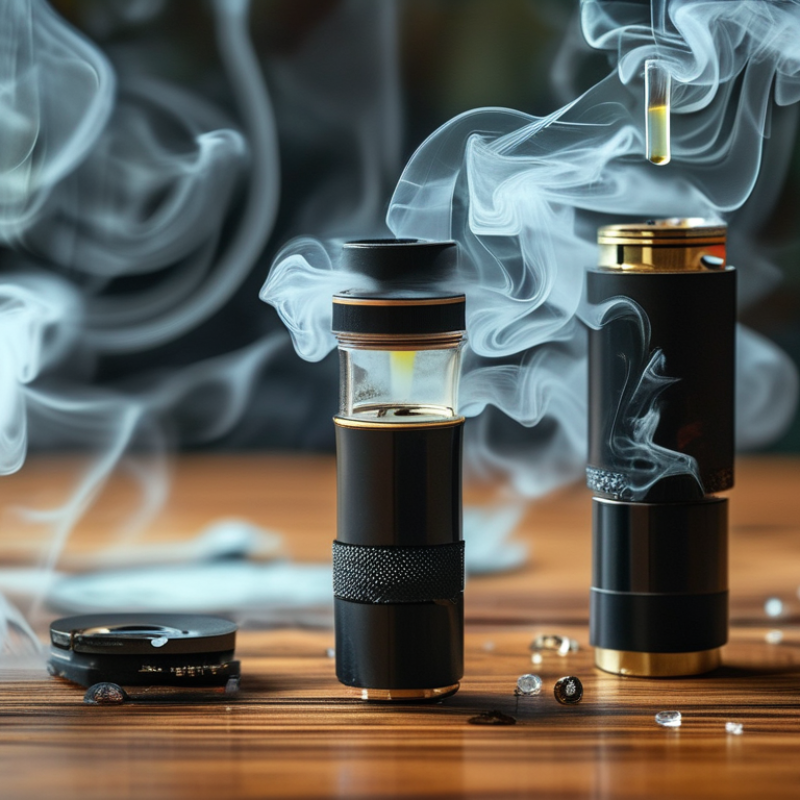
Common Causes of Vape Device Leaks
Vape device leaks are a common frustration among users. Understanding the common causes can help reduce this issue. Many vapers experience leaks due to poorly sealed connections. If O-rings are damaged or absent, e-liquid may escape. According to a report by the Vape Device Quality Alliance, about 30% of vape users experienced leaks due to this problem.
Another frequent cause is improper filling technique. Overfilling the tank can lead to excess liquid, resulting in leaks. A recent study by the vaping industry found that almost 40% of leaks are linked to user error during refilling. Always allow the tank to breathe after filling.
Tips: Ensure all parts are securely tightened. Check the O-rings regularly for wear and tear. When refilling, leave some space in the tank to avoid overflow. Users should also consider the type of e-liquid used. High-VG liquids are thicker and may not flow properly in lower-quality devices.
Additionally, temperature changes can cause leaking. If the vape device gets too hot, it can create pressure in the tank, forcing liquid out. Make sure to store your device in a cool, stable environment. These insights can significantly improve your vaping experience and reduce the chances of leaks.
Impact of Temperature on Vape Leakage
Temperature plays a crucial role in vape device performance. When it’s too hot or too cold, leakage can occur more frequently. High temperatures can cause e-liquid to thin out. This makes it easier for the liquid to escape through tiny gaps. Moreover, heat can expand the liquids, increasing pressure inside the device. If your vape leaks, check the temperature.
On cooler days, thick e-liquids may not flow properly. This can lead to clogged wicks, preventing proper absorption. When you try to puff, excess liquid can leak out. Optimizing your vaping environment can minimize these issues. Store your device at a stable temperature while avoiding direct sunlight.
Tips: Always preheat your vape device to ensure proper e-liquid viscosity. If you notice leaks, inspect seals and gaskets. Adjusting your airflow settings can also help. Keeping your device clean is essential. Over time, residue can build up and worsen leakage problems.
Importance of Proper Maintenance for Vape Devices
Proper maintenance is vital for the longevity of your vape device. Without it, leaking is a common issue. Gaskets, O-rings, and seals wear out over time. A small tear can lead to liquid escaping. Regularly check these parts. If they look worn or damaged, replace them immediately.
Cleaning your device is another essential part of maintenance. Residue can build up and cause blockages. This might pressure the tank, leading to leaks. Use a soft cloth to wipe down the tank and connectors. Make it a habit; it only takes a few minutes.
Remember to securely close all connections. Loose connections can also cause leaks. After filling, check for any misalignments. It’s easy to miss, but it’s crucial for preventing unwanted spills. By being diligent, you can minimize issues. It requires effort, but the benefits are worth it.
Top 10 Reasons Why Does My Vape Device Leak - Importance of Proper Maintenance for Vape Devices
| Reason |
Description |
Prevention Tips |
| Incorrect Assembly |
If the vape device is not correctly assembled, it can lead to leaks. |
Ensure all components are tightly fitted and aligned. |
| Worn O-Rings |
O-rings can wear out over time, causing seals to fail. |
Regularly check and replace O-rings if damaged. |
| Overfilled Tank |
Filling the tank beyond its capacity can result in leaking. |
Always fill the tank to the designated level. |
| Temperature Fluctuations |
Extreme temperature changes can cause liquid expansion and leaks. |
Store the device in a stable temperature environment. |
| Damaged Tank |
Cracks or breaks in the tank can lead to leaks. |
Inspect the tank regularly for any signs of damage. |
| Incorrect Coil Installation |
If the coil is not installed properly, it may not create a seal. |
Follow the manufacturer's instructions for coil installation. |
| Using the Wrong E-Liquid |
Thicker liquids can cause clogs and leaks. |
Use an e-liquid that's compatible with your device. |
| Neglecting Regular Maintenance |
Lack of maintenance can lead to various issues, including leaks. |
Clean and maintain your device regularly. |
| User Error |
Improper usage techniques can cause leakage. |
Educate yourself on proper vaping techniques. |
Effects of E-Liquid Consistency on Leakage Issues
E-liquids vary widely in their composition, impacting how they behave in vape devices. The viscosity of e-liquids plays a key role. High VG (Vegetable Glycerin) liquids tend to be thicker and may not wick properly in all coils. This can lead to leaking, especially if the device is not designed to handle it. According to industry research, 60% of users report leakage issues with VG-heavy liquids.
The temperature of the vape device also affects leakage. Higher temperatures can thin the e-liquid, leading to over-saturation in the cotton wick. This saturation causes leaking. In a study by the Vapor Technology Association, 45% of users experienced increased leakage with high-temperature settings. Regularly checking device settings helps reduce this issue.
Finally, improper sealing and airflow design in some devices can amplify leakage problems. A well-designed vape device controls airflow, minimizing the chances of leaks. However, if air pressure is not balanced, e-liquid can flow out unexpectedly. Reports indicate that 30% of leakage cases stem from poor device design, emphasizing the need for careful selection and maintenance. Users should pay attention to these factors to enhance their vaping experience.
Identifying Design Flaws in Vape Devices
Leaking is a common issue faced by many vape users. Understanding design flaws can help mitigate this frustration. Poorly designed seals and joints are notorious culprits. When gaskets wear out, the device becomes prone to leaks. Also, tanks with inadequate ventilation can trap pressure, forcing e-liquid out unexpectedly.
Tips: Regularly inspect the seals. Replace worn parts to maintain optimal performance. A clean device ensures better airflow and reduced risk of leaking.
Another aspect is e-liquid viscosity. Thinner liquids may seep through cracks more easily. If your device doesn't accommodate thicker oils, leaks can become frequent. Additionally, filling the tank beyond the recommended level can lead to overflow. Every device has its limits.
Tips: Use the right e-liquid thickness for your device. Stick to the maximum fill line to prevent overwhelming the tank. Ensure your vape is upright when not in use.
Lastly, users should consider maintenance habits. Neglecting regular cleaning can cause residue buildup. This, in turn, can impact how well the seals function. Conduct a thorough clean every once in a while to keep your device in good shape.
Top 10 Reasons Why Does My Vape Device Leak
Conclusion
Vape device leakage is a common issue that many users face, leading to frustration and wasted e-liquid. Understanding "why does my vape device leak" involves examining several contributing factors, including common causes like worn seals or overfilled tanks. Temperature can also have a significant impact on leakage, as extreme heat may cause e-liquids to expand, increasing the likelihood of leaks.
Proper maintenance is crucial in preventing leakage; regular cleaning and checking of components can help ensure a well-functioning device. Additionally, the consistency of e-liquids plays a role, as thicker liquids may be less prone to leaking compared to thinner ones. Lastly, ensuring that your vape device is free from design flaws can greatly reduce the chances of leakage and enhance the overall vaping experience.

 Luvn Vape