Vaping has become increasingly popular in recent years. Many people are curious about how do vape devices work. Understanding these devices helps users make informed choices.
Vape devices function through a simple process. They heat a liquid, generating vapor. This liquid, called e-liquid, contains various ingredients, including flavorings and nicotine. Users inhale this vapor, resembling smoking but without combustion. It’s essential to recognize the differences between vaping and traditional smoking, as they are not the same.
While vaping may appear straightforward, it's not without concerns. Users should weigh the potential health effects and understand the technology behind these devices. Knowledge empowers users to explore vaping responsibly. Awareness about how do vape devices work can lead to safer choices and a deeper appreciation for this evolving trend.
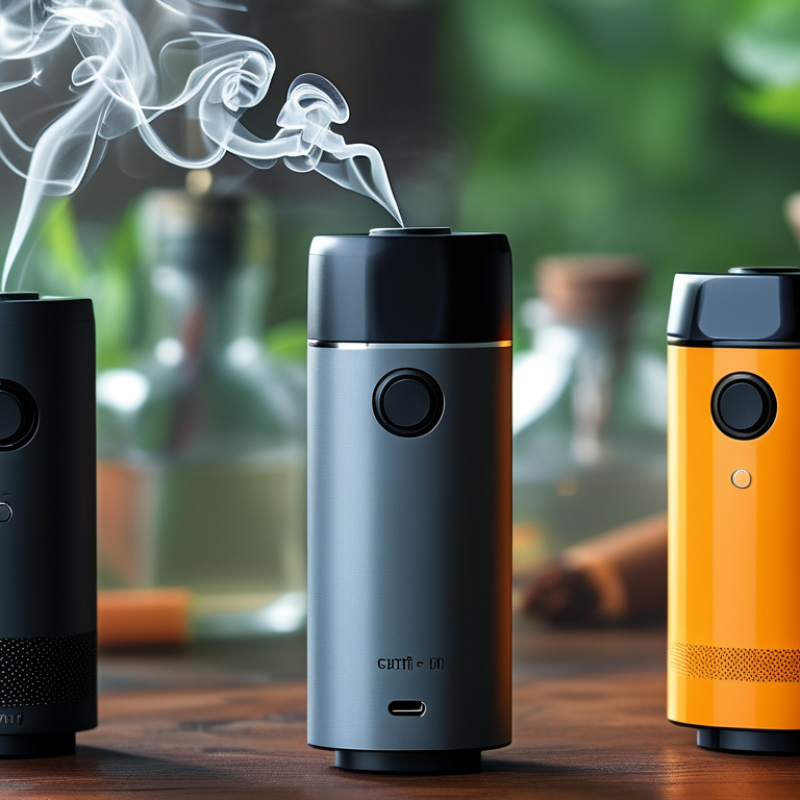
Vape devices have gained popularity as an alternative to traditional smoking. Understanding how these devices work is crucial for users. A typical vape device consists of four main components: a battery, an atomizer, a tank, and e-liquid. The battery powers the device, while the atomizer heats the e-liquid to create vapor.
When a user activates the vape, the battery sends power to the atomizer. This process transforms the liquid into vapor through heat. E-liquids come in many flavors and nicotine strengths. Users can choose based on personal preference. However, the long-term effects of vaping are still not fully understood.
Vaping technology continues to evolve. Some devices boast advanced features like temperature control and adjustable wattage. These enhancements can improve the user experience. Common concerns include the potential for addiction and health risks. Users should remain informed and cautious about their choices. Despite the modern appeal, it's wise to reflect on the implications of using vape devices.
Vape devices have become popular, yet understanding their components is essential. The main parts of a vape device include the battery, atomizer, and e-liquid reservoir. Each part plays a crucial role in delivering a satisfying experience.
The battery powers the device and heats the coil. A good battery ensures reliable performance. A faulty battery can lead to inconsistent heating and a poor vape experience. The atomizer houses the coil, which vaporizes the e-liquid. Different coils can affect flavor and vapor production. Don’t overlook the e-liquid reservoir; it holds the essential liquid that is vaporized. Ensure it’s filled adequately for an uninterrupted session.
Tips: Always check the battery health. Replace it when necessary to avoid issues. Know your coils; experiment to find what suits your taste. Regular cleaning of components can enhance performance. This helps in maintaining good flavor and reducing the risk of unpleasant aftertaste. It’s easy to overlook these details, but they significantly impact your vaping journey. Stay informed and proactive about your devices for the best experience.
Vape devices work by heating a liquid, allowing it to create vapor. The process starts with e-liquid, which contains nicotine, flavorings, and other ingredients. When an individual presses the button or simply inhales, a battery powers a coil. This coil heats up and vaporizes the e-liquid. As the user inhales, the vapor cools down, allowing it to be inhaled easily.
Understanding the components is crucial. The tank holds the e-liquid, while the coil vaporizes it. A well-maintained coil enhances flavor and vapor production. Make sure to replace the coil regularly for the best experience. A poorly maintained device can lead to burnt tastes or weak vapor production.
Tips: Always prime your coil before first use. This means soaking it in e-liquid to avoid burning. Pay attention to your device's battery level. A low battery affects performance and vapor quality. Explore different e-liquids to find the flavor that suits you best. Remember, not all devices are the same. Experimentation is part of the process, and learning what works for you takes time.
Vape devices have evolved significantly over the years, offering various options to users. Among the numerous types, two main categories stand out: open and closed systems. Open systems allow users to refill their e-liquid, providing more flavor options and customization. This flexibility attracts users who want to experiment with different nicotine levels and flavors. On the other hand, closed systems, often pre-filled, are convenient for beginners looking for a hassle-free experience. Reports indicate that nearly 50% of vape users prefer open systems due to their customizable nature.
Pod systems have gained popularity in recent years. These compact devices are user-friendly and discreet. A study shows that about 60% of users find pod systems easier to use than traditional vapes. They are ideal for on-the-go lifestyles. Many pod systems come with higher nicotine salt concentrations, offering a stronger throat hit without the harshness. However, some users may find this intensity overwhelming, indicating a need for education on nicotine levels.
Each type of vape device has its advantages and drawbacks. While open systems offer variety, they require maintenance and knowledge of e-liquids. Conversely, closed systems are simple but limit flavor options. Understanding the differences can help users make informed choices that suit their preferences and lifestyles.
Vaping has gained popularity, but it comes with important safety considerations. Many users overlook potential health risks. Understanding these risks is vital before using a vape device.
One major concern is the lack of long-term research. Vaping is relatively new, and its effects are still being studied. Some ingredients in vape liquids may cause lung problems. Diacetyl, for example, has been linked to a serious lung disease. Users must know the ingredients they inhale. Not all vapes are created equally, and quality can vary significantly.
Another risk involves nicotine dependence. Many vaping products contain nicotine, which is addictive. Users might not realize how easily they can become reliant on it. It’s crucial to monitor usage and be aware of any cravings. Additionally, the act of vaping can become a habit, affecting daily life. These aspects of vaping warrant careful consideration before getting started.
: The main components include the battery, atomizer, and e-liquid reservoir. Each part is essential for a good experience.
The battery powers the device and heats the coil, ensuring reliable performance. A faulty battery can ruin the experience.
The atomizer houses the coil, which vaporizes the e-liquid. Different coils can influence flavor and vapor production.
There are open and closed systems. Open systems allow refilling, while closed systems are pre-filled and more convenient.
Check battery health regularly. Replace it if issues arise. Also, maintain the e-liquid reservoir for uninterrupted use.
Yes, potential health risks exist. Ingredients like diacetyl may cause lung issues. Users should know what they inhale.
Many vaping products contain nicotine, which is addictive. Users should monitor their usage and cravings closely.
Pod systems are compact and user-friendly, making them ideal for discreet use. They may have higher nicotine salt concentrations.
Regular cleaning can enhance performance and maintain good flavor. It reduces the risk of unpleasant aftertaste.
Understand your device and the types of e-liquids. Educate yourself about nicotine levels to avoid overwhelming experiences.
Vape devices have gained popularity as an alternative to traditional smoking, and understanding how do vape devices work is essential for users. These devices primarily consist of three key components: a battery, an atomizer, and a tank or e-liquid chamber. When activated, the battery powers the atomizer, which heats up and vaporizes the e-liquid, creating an aerosol that can be inhaled. Different types of vape devices—ranging from simple pen models to more complex box mods—offer various features tailored to user preferences.
The process of vapor creation involves heating e-liquid at specific temperatures, producing vapor without combustion. While vaping is often considered a less harmful option compared to smoking, it is crucial to be aware of safety considerations, including proper device maintenance and understanding the ingredients in e-liquids. Overall, being informed about the functionality and safety of vape devices can enhance the vaping experience and ensure responsible use.

Luvn Vape