Top 10 Differences Between Vape Devices and Cigarettes?

Time:2026-07-04 Author:Liam
0%

In recent years, the popularity of vape devices has surged among smokers and non-smokers alike. This shift raises a pressing question: what is the difference between vape devices and cigarettes? Understanding these differences is crucial for making informed choices about smoking and vaping.

Vape devices utilize e-liquids, whereas traditional cigarettes burn tobacco. This fundamental distinction leads to varied health implications. For instance, vapes often contain fewer harmful substances than cigarettes. However, that doesn’t mean they are entirely safe. The long-term effects of vaping remain largely unknown, prompting concerns among health professionals.

Moreover, the experience of using vape devices differs significantly. Vaping offers customizable flavors and nicotine levels, creating a personal experience. In contrast, cigarettes provide a more uniform taste and delivery system. Despite this, both methods pose risks. It’s essential to weigh the pros and cons of each. This exploration will delve into the key differences, helping users understand their choices better.
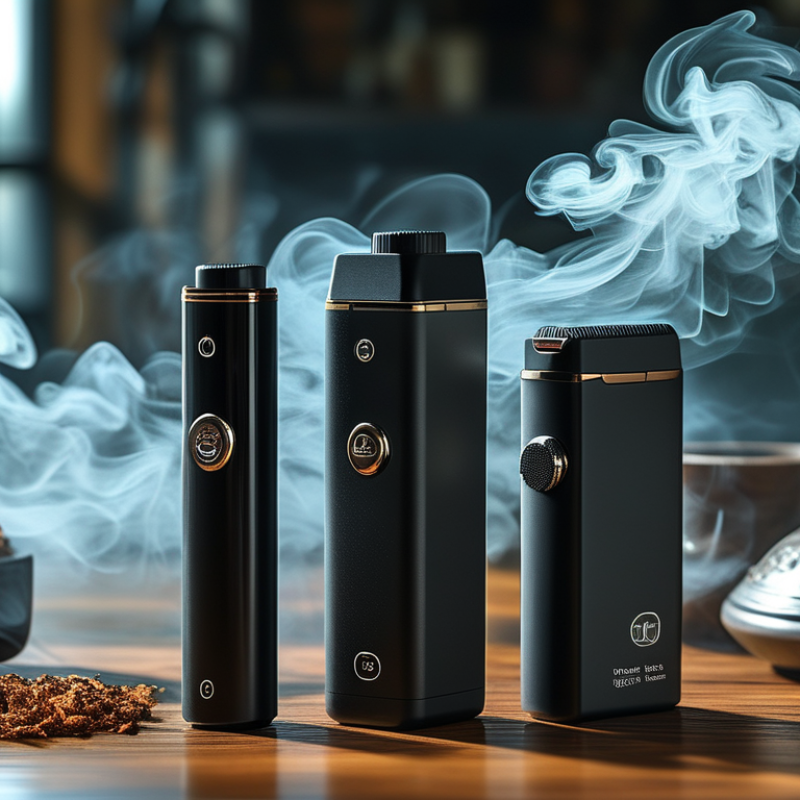
Top 10 Differences Between Vape Devices and Cigarettes?

Differences in Smoke Production: Vapor vs. Combustion

When comparing vape devices and traditional cigarettes, one of the most significant differences lies in how they produce smoke. Traditional cigarettes rely on combustion to release smoke. This burning process creates harmful tar and numerous toxins, which enter the lungs and can cause serious health issues. The smoke from a cigarette contains thousands of chemicals, many of which are carcinogenic.

In contrast, vape devices use a process known as vaporization. They heat a liquid, known as e-liquid, which typically contains propylene glycol, vegetable glycerin, flavorings, and nicotine. This heating generates a vapor rather than smoke. The vapor produced is often perceived as less harmful. However, one must remember that not all substances in the vapor are safe. While many users appreciate the absence of ash and lingering odors, the long-term effects of inhaling vapor are still not completely understood.

Many vape users believe they have made a healthier choice. Yet, the reality is more complex. Various studies continue to emerge, raising questions about the safety of different vape products. Both options come with their own risks. Smokers may benefit from understanding these differences before making choices about their health. The exploration between vapor and combustion remains a vital topic for both public health and personal decision-making.

Top 10 Differences Between Vape Devices and Cigarettes: Vapor vs. Combustion

Nicotine Delivery Systems: Comparing Vape Devices to Cigarettes

Vape devices and traditional cigarettes provide nicotine through very different mechanisms. Cigarettes burn tobacco, releasing nicotine along with harmful tar and toxins. This combustion process creates smoke filled with numerous harmful substances. On the other hand, vape devices heat a liquid solution, often called e-liquid, which contains nicotine, flavorings, and other ingredients. This generates vapor rather than smoke, leading some users to believe vaping is a safer alternative.

The efficiency of nicotine delivery varies. Cigarettes can provide a quick nicotine hit, often within seconds. This immediacy can be satisfying for many users, particularly those craving a quick fix. Vaping can deliver nicotine too, but the uptake might be slower and less intense. Many vapers experiment with different nicotine levels, from high to zero, making it more customizable. However, this variability can lead to confusion about actual nicotine intake.

In terms of user experience, traditional cigarettes involve specific rituals—lighting up, inhaling, and exhaling smoke. Vaping can seem more modern and less intrusive. Still, the reliance on technology introduces its own complexities. Battery life, device maintenance, and e-liquid choices can overwhelm new users and lead to dissatisfaction. Both methods of nicotine delivery have their pros and cons. This ongoing evolution in nicotine consumption requires careful consideration and personal reflection.

Health Risks: A Review of Studies on Vape Devices and Cigarette Smoking

The health risks associated with vape devices and traditional cigarettes have been thoroughly examined. A comprehensive review of various studies indicates that vape devices may reduce exposure to harmful substances. However, they are not risk-free. Research from Public Health England suggests that vaping is about 95% less harmful than smoking. This statistic leads many to believe that e-cigarettes are a safer alternative. Still, young users often underestimate the potential risks.

One concerning aspect is the presence of nicotine in many vape products. Data from the National Institute on Drug Abuse shows that nicotine can lead to addiction, particularly among adolescents. Moreover, some studies suggest that certain vape liquids contain toxic compounds. For instance, formaldehyde and acrolein have been detected, which are linked to respiratory issues. The push for regulation on vape products emphasizes the need for more research and improved safety standards.

Despite the perception of vaping as a "safer" option, it can still pose significant health risks. A study published in the Journal of the American Heart Association discovered that vaping is associated with negative cardiovascular effects. These findings highlight the importance of informed decision-making when it comes to smoking and vaping. Ultimately, the landscape of alternative smoking products continues to evolve, but caution is advised.

User Experience: Taste, Sensation, and Throat Hit in Vaping vs. Smoking

When comparing vaping to smoking, user experience varies significantly. Vaping often offers a smoother throat hit compared to traditional cigarettes. A study from the National Institute on Drug Abuse highlighted that 77% of vapers preferred the softer sensation. This preference stems from the absence of combustion in vaping. Without burning tobacco, users encounter fewer harsh irritants.

Flavor plays a critical role in the distinction between the two. Vaping allows for a wide range of flavors. A survey by Action on Smoking and Health found that over 60% of vapers enjoy fruit or dessert flavors. This variety enhances the overall experience, making it more enjoyable for many. However, some users reflect on the strong aftertaste of certain vape liquids. This sensation can linger, sometimes leading to mixed reviews about certain flavors.

Throat hit is another important aspect. Traditional cigarettes provide a robust feeling, potentially appealing to long-term smokers. Studies indicate that many ex-smokers miss this sensation. Younger vapers may prioritize flavors and smoother hits, making them less mindful of the throat hit. This difference illustrates how preferences evolve based on individual experiences with both methods.

Top 10 Differences Between Vape Devices and Cigarettes

Feature Vape Devices Cigarettes
Taste Variety Wide range of flavors available Limited to tobacco flavor
Sensation May vary with e-liquid choices Consistent burning sensation
Throat Hit Adjustable through nicotine levels Inherent to tobacco use
Health Risks Generally considered less harmful Known to cause various health issues
Odor Usually minimal and pleasant Strong, lingering smell
Device Complexity Variety of devices with features Simple and straightforward
Cost Initial device cost but cheaper in long run Recurring purchase costs
Secondhand Effects Less research on long-term effects Proven health risks
Nicotine Control Available in various strengths Fixed level in products
Regulation Newer with evolving regulations Established regulations

Regulatory Landscape: How Vaping and Cigarette Use are Governed Differently

Vaping devices and traditional cigarettes are regulated quite differently across various jurisdictions. While cigarette use is often heavily taxed and restricted in public spaces, vaping enjoys a more lenient regulatory environment in many areas. According to a report by the World Health Organization, more than 60 countries have regulations specifically for vaping. However, the lack of uniformity can lead to confusion among users.

One key difference lies in marketing regulations. Cigarette advertising is strictly controlled, while vaping products can still be marketed more freely in many regions. This varied approach can mislead consumers about the relative risks involved. A report from the National Institute on Drug Abuse indicates that awareness of potential health risks often lags behind the rapid growth of vaping.

Tip: Always stay informed about the local regulations surrounding vaping to ensure compliance and safety. Checking local laws can help prevent fines or legal issues.

Public health organizations frequently debate vaping's role in smoking cessation. Some studies suggest vaping is less harmful than smoking, while others warn of its long-term effects. A balance must be struck between allowing access to less harmful alternatives and protecting youth from potential addiction.

Tip: Consider your own health and the potential risks before making decisions on vaping or smoking. Always consult reputable sources for the most accurate information.

FAQS

: What is the main difference between smoke from cigarettes and vapor from vapes?

: Cigarettes produce smoke through combustion, while vapes create vapor through heating liquid.

Are vapors safer than cigarette smoke?

Vapors may seem less harmful, but some substances in them are still unsafe. The long-term effects are unknown.

How do cigarettes deliver nicotine?

Cigarettes release nicotine quickly through smoke when tobacco burns, producing harmful tar and toxins.

How does vaping deliver nicotine?

Vaping heats a liquid to create vapor, which can deliver nicotine but may do so less intensely than cigarettes.

Can vaping be tailored for nicotine levels?

Yes, vapers can choose from different nicotine levels, making it customizable compared to traditional cigarettes.

What are some challenges for new vapers?

New users may face confusion over device maintenance, battery life, and e-liquid choices, leading to frustration.

Do both smoking and vaping have risks?

Yes, both methods come with health risks. Understanding these risks is important for informed decision-making.

Why do some people prefer vaping over smoking?

Many people enjoy vaping for the absence of ash and odors, despite unknown long-term consequences.

What should users reflect on when choosing between vaping and smoking?

Users should consider their health, the risks involved, and their personal preferences when making a choice.

Is the perception of vaping as a healthier option accurate?

While vaping may appear healthier, the safety concerns and risks are still under investigation and require reflection.

Conclusion

The article "Top 10 Differences Between Vape Devices and Cigarettes" explores the key distinctions between these two popular methods of nicotine consumption. One main focus is on smoke production, highlighting the difference between vapor created through heating e-liquids and combustion associated with traditional cigarettes. Additionally, the piece compares nicotine delivery systems, emphasizing how vape devices can offer varying levels of nicotine control, unlike the fixed delivery in cigarettes.

Health risks are also reviewed, with studies examining the long-term effects of vaping versus smoking. The user experience is another significant aspect, discussing differences in taste, sensation, and the throat hit users experience when vaping versus smoking. Lastly, the regulatory landscape is addressed, explaining how vaping and cigarette use face different governance and regulations. Overall, this article effectively answers the question of what is the difference between vape devices and cigarettes, providing a comprehensive look at their various attributes.

Liam

Liam

Liam is a dedicated marketing professional with a profound expertise in the industry, where he excels at highlighting the unique advantages of our core products. With a keen understanding of market trends and consumer needs, Liam frequently updates our company’s professional blog, providing......