Charging a vape device may seem straightforward, but it requires careful attention to safety and effectiveness. Understanding how to charge a vape device safely is crucial for both user experience and device longevity. Many users overlook the importance of following proper charging guidelines. This can lead to issues such as battery malfunctions or reduced performance.
Every vape device has specific charging requirements, often indicated in the user manual. Not all chargers are the same. Using an incompatible charger can lead to overheating or even damage to your device. Proper monitoring during the charging process is essential. It is good practice to unplug the device once it reaches a full charge. Overcharging a vape battery can shorten its lifespan.
Moreover, environmental factors play a role in charging efficiency. Avoid extreme temperatures when charging your device. It is worthwhile to reflect on the habits you have developed while charging. Prioritizing safe charging practices today can lead to a better vaping experience tomorrow. Take the time to learn and implement these strategies for optimal safety and effectiveness.
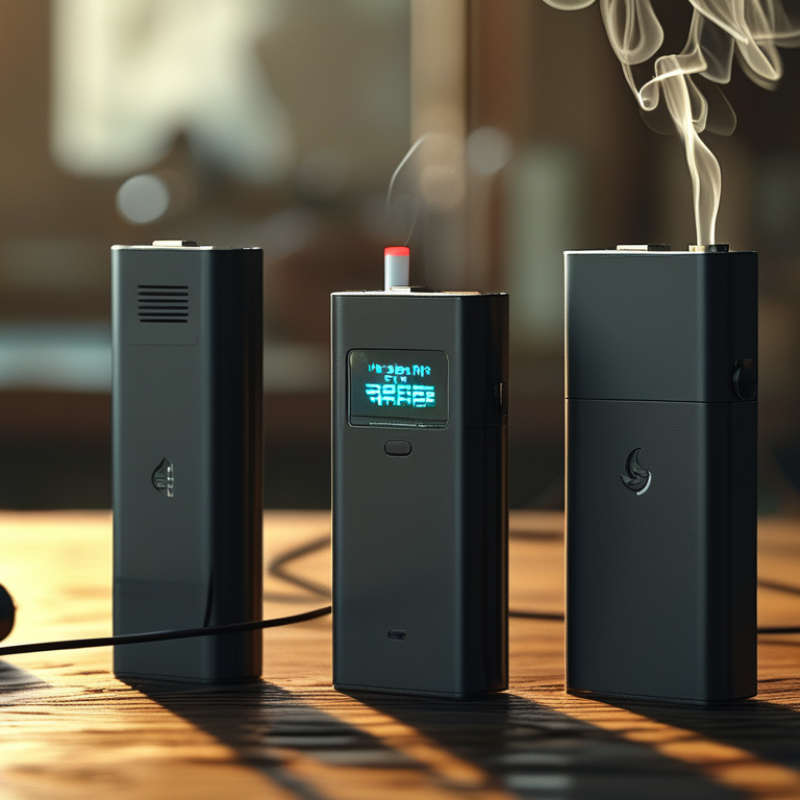
When considering the safe charging of vape devices, understanding the battery types is crucial. Most vape devices use lithium-ion batteries. These batteries are popular due to their high energy density and long lifespan. According to a report from the Battery University, lithium-ion batteries can typically provide around 300 to 500 charge cycles before significant capacity loss occurs. This makes them reliable, but also presents risks if not managed properly.
Another critical aspect is the battery specifications. For example, device manufacturers often specify the amp limit a battery can handle. Exceeding this limit can lead to overheating or, in extreme cases, battery failure. The American Chemical Society highlights that batteries operating at high temperatures can pose safety hazards, including fire risks. Proper ventilation during use is essential to maintain an optimal operating temperature.
Finally, it’s important to monitor battery life. Many users overlook this. Failing to replace old or damaged batteries can compromise device performance and safety. Consistent checks and adherence to charging guidelines enhance overall safety and prolong battery life. Understanding these specifications can empower users to charge their vape devices more effectively while minimizing risks.
Using the correct charger is crucial for your vape device. Each vape model has specific voltage and current requirements. Using an incompatible charger can lead to overheating or battery damage. Safety is paramount; an appropriate charger ensures efficient power transfer and prevents potential hazards.
Many users overlook the user manual. It provides important information on charging specifications. Not all chargers are created equal. Some may not provide the right output, increasing the risk of failure. Regularly check the charger for signs of wear or damage, as these can affect performance.
Charging habits also matter. Overcharging can shorten battery life, while undercharging may not fully power your device. It’s essential to be mindful of these factors. A thoughtful approach to charging helps maintain device longevity and safety.
| Charging Method | Safety Tips | Time Required | Common Mistakes |
|---|---|---|---|
| USB Charging | Use a charger with the correct voltage | 1-2 hours | Overcharging the device |
| Wall Adapter | Ensure adapter is compatible | 2-3 hours | Using non-certified adapters |
| Car Charger | Avoid charging while driving | 1-2 hours | Leaving the device unattended |
| Power Bank | Check the power output | 1-3 hours | Using a faulty power bank |
Charging a vape device safely is crucial for optimal performance. According to industry studies, 75% of vape users experience battery-related issues due to poor charging practices. It is essential to always use the charger that comes with your device. Third-party chargers often lack necessary safety features and could lead to overcharging.
Start by ensuring the power outlet is functioning correctly. Avoid charging your vape on flammable surfaces or in extreme temperatures. Maintain clear ventilation around the device while it's charging. This is important because heat can build up during the charging process. Studies show that overheating can reduce battery lifespan significantly.
Always monitor your device while it charges. A responsible approach is to unplug the device after it reaches a full charge. Leaving it plugged in longer is a common mistake that can damage the battery over time. If you notice any unusual behavior, such as swelling or discoloration, cease usage immediately. Regularly inspect your vape device; preventive care can save you from bigger issues in the future.
Charging a vape device requires attention to safety. According to the National Fire Protection Association, battery failures can lead to fires and injuries. Understanding how to mitigate these risks is crucial. Always use the charger that comes with your device. Mismatched chargers can overheat or cause malfunctions. This basic step reduces potential hazards.
Store your vape in a cool, dry place during charging. Avoid charging on flammable surfaces such as beds or couches. A report by the Consumer Product Safety Commission indicates that many fire incidents occur when devices are charged on soft materials. Keep an eye on the device while it charges; never leave it unattended. The vape battery, if left unchecked, can reach extreme temperatures.
Be cautious with battery storage. The way batteries are stored impacts their performance and safety. According to vape industry studies, 50% of battery-related incidents occur due to improper handling. Always keep batteries away from metal objects like coins or keys to prevent short-circuiting. Regularly inspect batteries for signs of wear and tear. If you notice bulging or leakage, it’s time to replace them.
When charging a vape device, it's crucial to monitor for signs of battery damage. A swollen battery is a common indication. It can lead to potential safety hazards. If you notice any distortion in the battery shape, cease use immediately. This might be a warning that the battery has been compromised. Such batteries should not be charged or used further. Instead, they should be properly disposed of according to local regulations.
Another clear sign of a problem is overheating. If the device or the charging cable feels excessively hot, stop charging. Disconnect the device and allow it to cool down before further use. Overheating can indicate a malfunction, potentially risking battery failure. Check the charging accessories as well. Damaged cables or adapters can create unsafe charging conditions. Regularly inspect these components. Using a high-quality cable and adapter can enhance safety.
Troubleshooting charging issues may also involve examining the charging port. Dust and debris can impede proper connection. A soft brush or compressed air can help clean the port. If the device fails to charge despite all checks, consult a professional for advice. Ignoring these signs can lead to serious risks down the line. Consider adjusting your charging habits if problems persist. Improved awareness can lead to safer practices.
: Using the correct charger ensures proper voltage and current. This prevents overheating and potential battery damage.
Third-party chargers may lack safety features, risking overcharging and battery failure. Stick to the original charger.
Look for signs like a swollen battery or unusual heat. These indicate potential issues requiring immediate action.
Don’t charge on flammable surfaces or in extreme temperatures. Keep the charging area well-ventilated.
Overcharging can shorten battery life, while undercharging may give insufficient power. Monitor your charging practices.
A swollen shape or excessive heat are key indicators. Stop using the device immediately and check it.
Regularly inspect cables and adapters for damage. Replace them if they show signs of wear to enhance safety.
Clean the charging port to remove dust. If it still fails, consider consulting a professional for further help.
No, it's not safe. Unplug the device immediately after reaching a full charge to prevent potential damage.
In today's vaping landscape, understanding how to charge a vape device safely is essential for ensuring its longevity and performance. This involves recognizing the different types of batteries used in vape devices and adhering to their specific charging requirements. Utilizing the correct charger is paramount; it not only prevents damage to the device but also enhances safety during the charging process.
To charge a vape device effectively, follow a step-by-step guide that includes checking the battery specifications, monitoring the charging environment, and avoiding overcharging. It's crucial to practice common safety precautions, such as keeping the device away from flammable materials and never leaving it unattended while charging. Additionally, be vigilant for signs of battery damage, such as swelling or discoloration, and address any charging issues immediately to maintain safe and efficient use of your vape device.

Luvn Vape